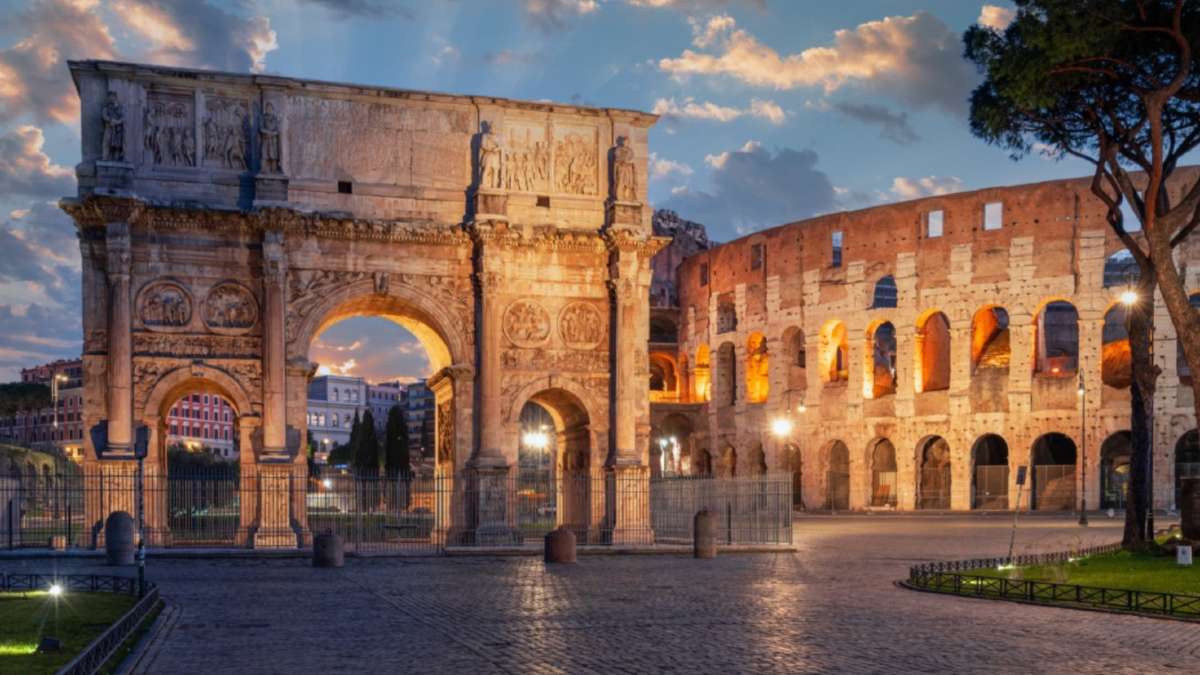
Standing tall between the Colosseum and the Palatine Hill, the Arch of Constantine is a massive, triple-arched monument that stops every traveller to observe carefully.
Built in 315 CE to celebrate Constantine the Great’s victory at the Battle of Milvian Bridge, it isn't just another pretty landmark; it is a bold and deeply strategic masterpiece that stands apart from every other arch in the classical city.
The Ancient “Spoila” Job
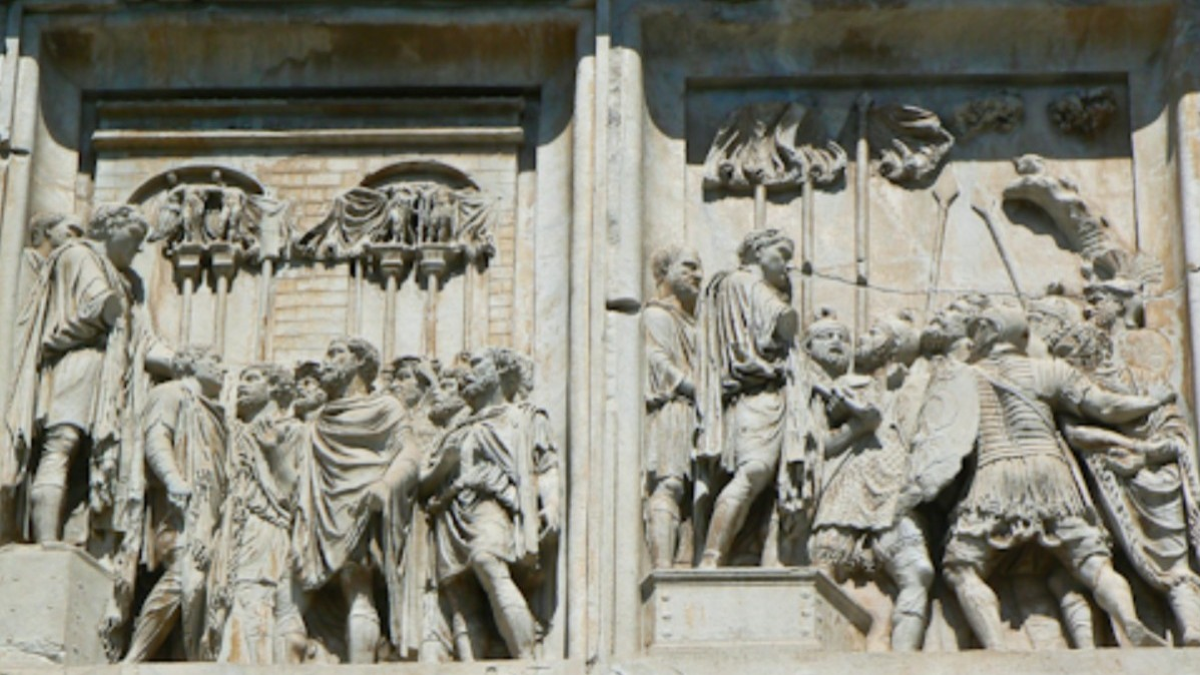
The arch is notably famous for its extensive use of "spoila," the repurposed decorative elements and sculptures which were built for “good emperors” like Trajan, Hadrian and Marcus Aurelius.
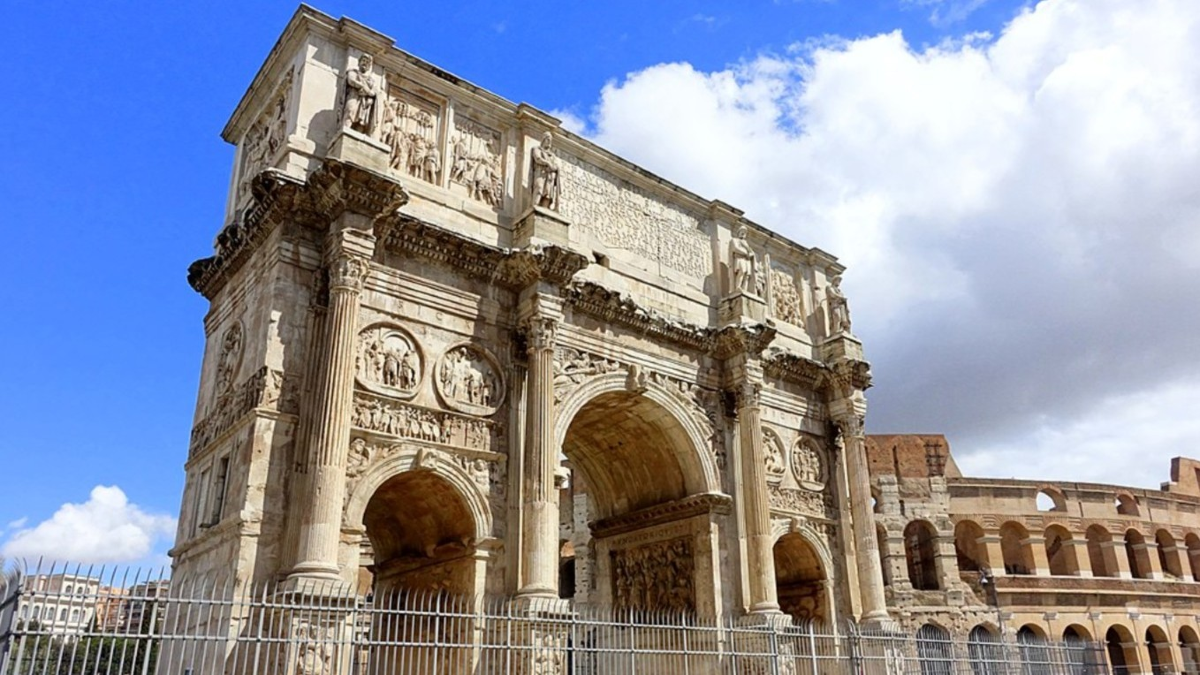
By literally taking out the stones and stories of its beloved predecessors, Constantine was able to instantly link his reign to Rome’s Golden Age. This turned out to be a powerful visual statement designed to tell the public that he was the rightful heir to the greatest leaders of the empire's history.
Also Read: Why Hadrian's Villa Is Rome's Most Underrated Wonder?
A Tale Of Two Different Art Styles
If you look closely at the masonry, the Arch of Constantine reveals itself as a fascinating artistic “Frankenstein.” The recycled art from the 2nd century is highly classical as it features realistic human proportions and elegant, intricate details.
As a stark contrast, the friezes actually carved during Constantine’s own time are considered to be flatter, more symbolic and are less focused on 3D realism. This drastic shift marks a massive turning point in art history, signalling the slow end of the traditional Roman style and the birth of a more simplified “late antique” look that eventually led into the art of the Middle Ages.
Also Read: Palatine Hill: The Birthplace Of Rome
Celebrating A Victory At Rome
In history, most triumphal arches in Rome, such as the famous “Arch of Titus,” were built to celebrate victories over foreign enemies or the expansion of the empire’s borders.
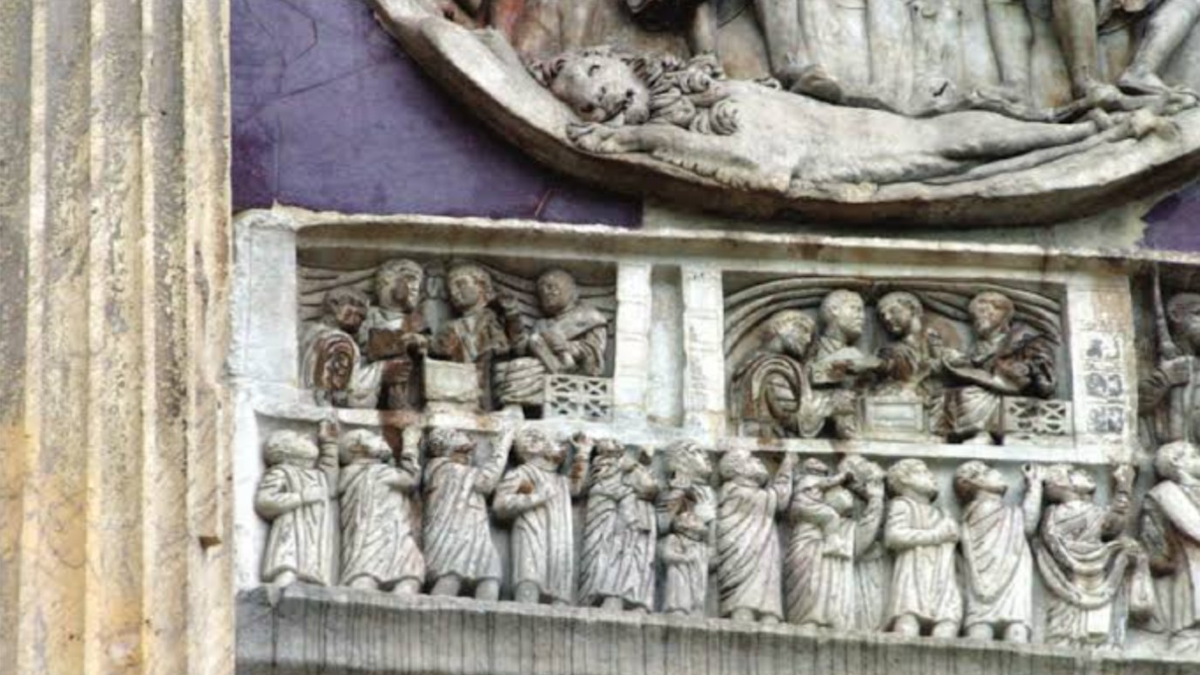
The Arch of Constantine is known to be unique because it commemorates a civil war, standing as a proof of the moment when Emperor Constantine defeated his rival, Maxentius.
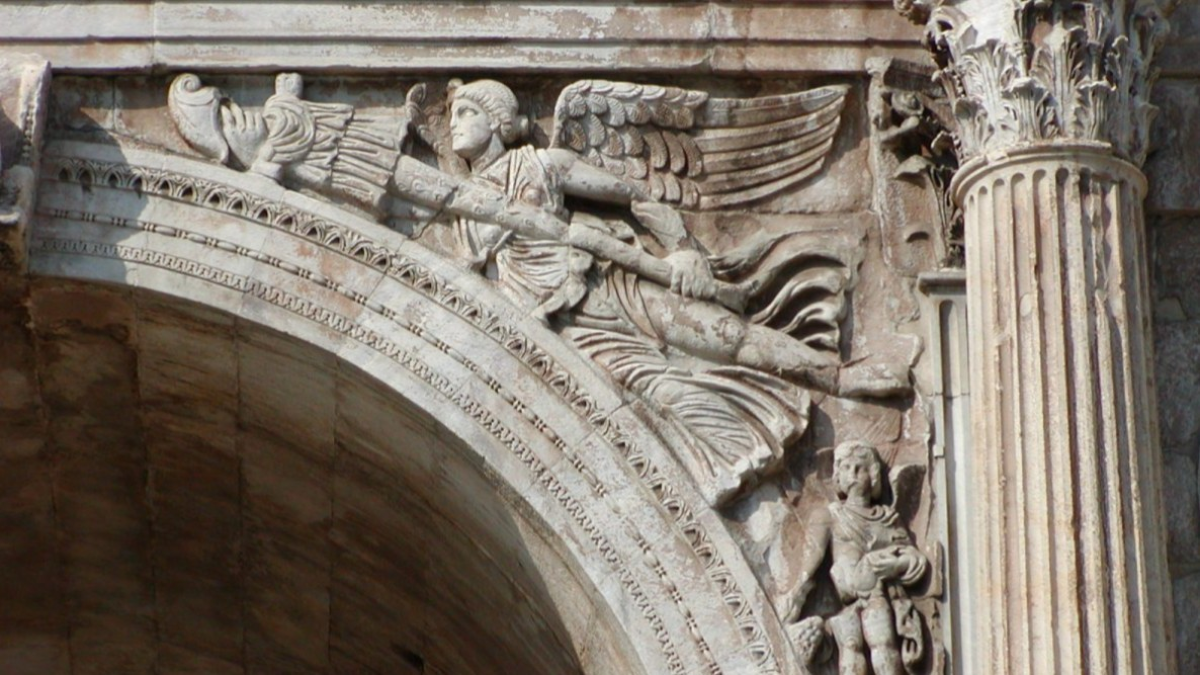
To keep the monument from looking too “bloody” or “divisive” to the Roman public, the inscriptions are carefully worded, vaguely crediting his “divine inspiration” rather than explicitly naming the fellow Romans he has to defeat to take the throne.
Also Read: Why Pula's Roman Colosseum Is A Must-Visit In Istria!
The Subtle Bridge To A Christian Future
The Arch of Constantine was constructed just after the Edict of Milan, which legalized Christianity, the arch is a masterclass in playing both sides of a changing religious landscape.
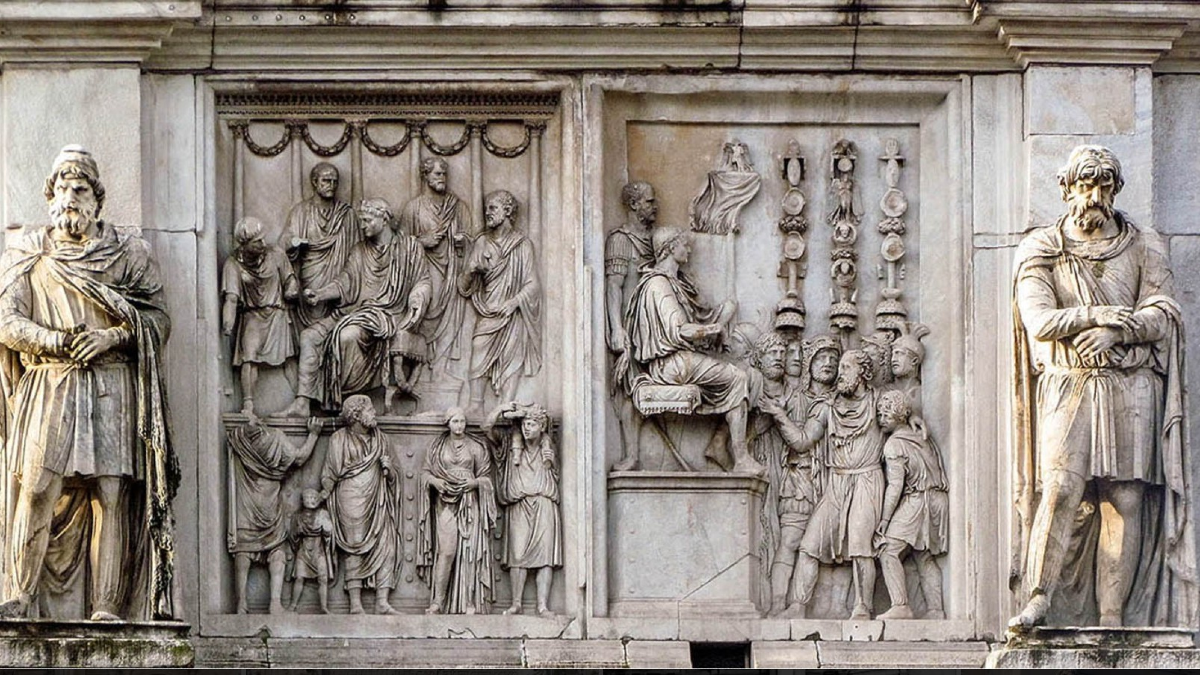
While it still features traditional Roman gods and sacrificial scenes to keep the principles of old-school Roman Senate pleased, it avoids naming the specific pagan deities in its main dedication.
Also Read: 5 Reasons On Why Erechtheion Is The Real Masterpiece Of Acropolis!
Following this way, Constantine could also show respect towards the classical city’s ancient traditions while also nodding towards the new Christian era he was about to usher in, making the arch a physical bridge between the pagan past and a brand-new future.
Comments (0)
Log in to share your thoughts
No comments yet
Be the first to share your thoughts!