Ever wondered where does a jet goes when it stops carrying passengers? While hundreds of commercial aircraft retire annually, they don't just “expire.” Instead, they enter a sophisticated, multi-billion-dollar “circular economy” designed to squeeze every bit of value and material from their frames.
Let's take a look on the journey of a retired airplane:
The Final Flight To The Boneyard
When a plane reaches the end of its typical 25-to-30-year service life, it is shifted to a storage facility known as a “boneyard.”
These facilities are usually in arid, low-humidity deserts like Victorville, California or Davis-Monthan Air Force Base in Arizona to prevent corrosion.
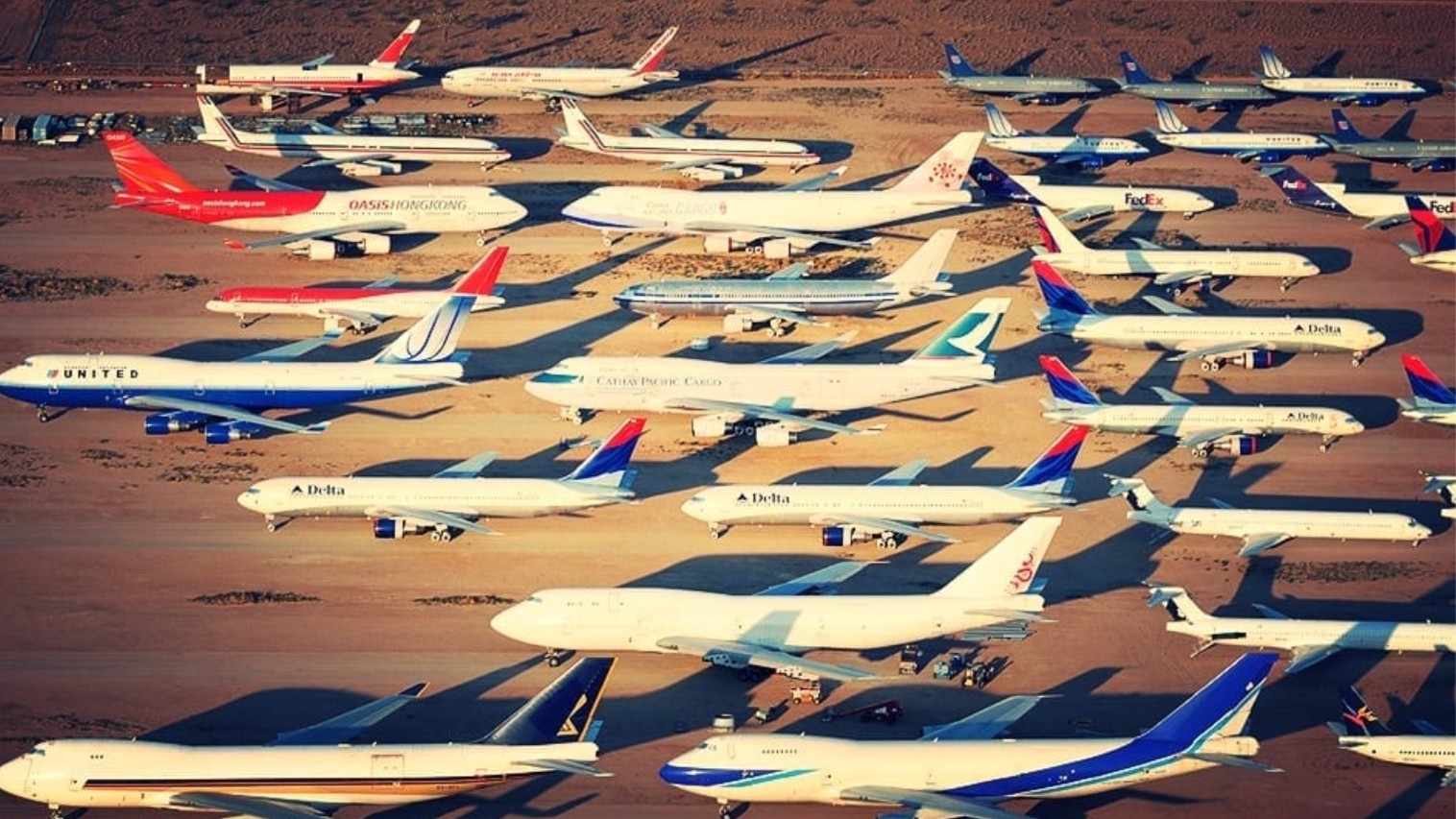
Sometimes, younger aircraft are also sent there temporarily during market downturns. In 2025 and 2026, many planes have been “stored” longer than planned due to global supply chain delays for a new aircraft.
A ‘Gold Mine’ In The Dessert
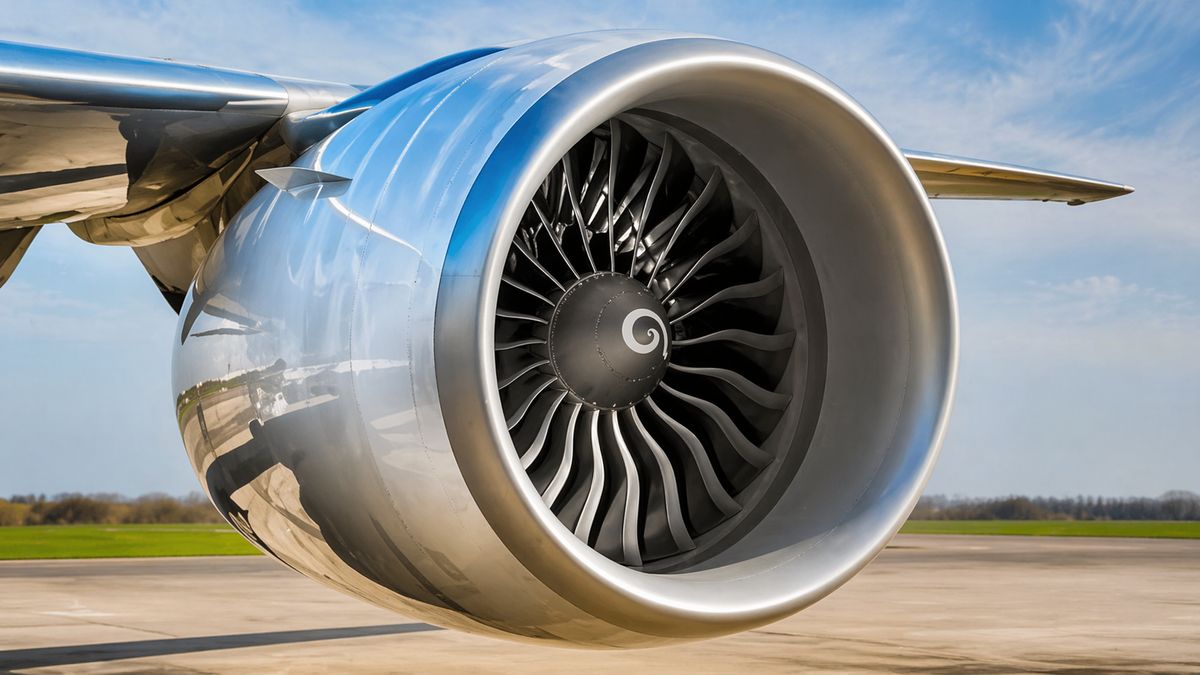
Components like engines, landing gear and "avionics" are salvaged to keep active fleets flying, saving airlines and other governmental costs. The aircraft stored at the world's largest military boneyard, Davis-Monthan Air Force Base, are valued between $34 and $35 billion.
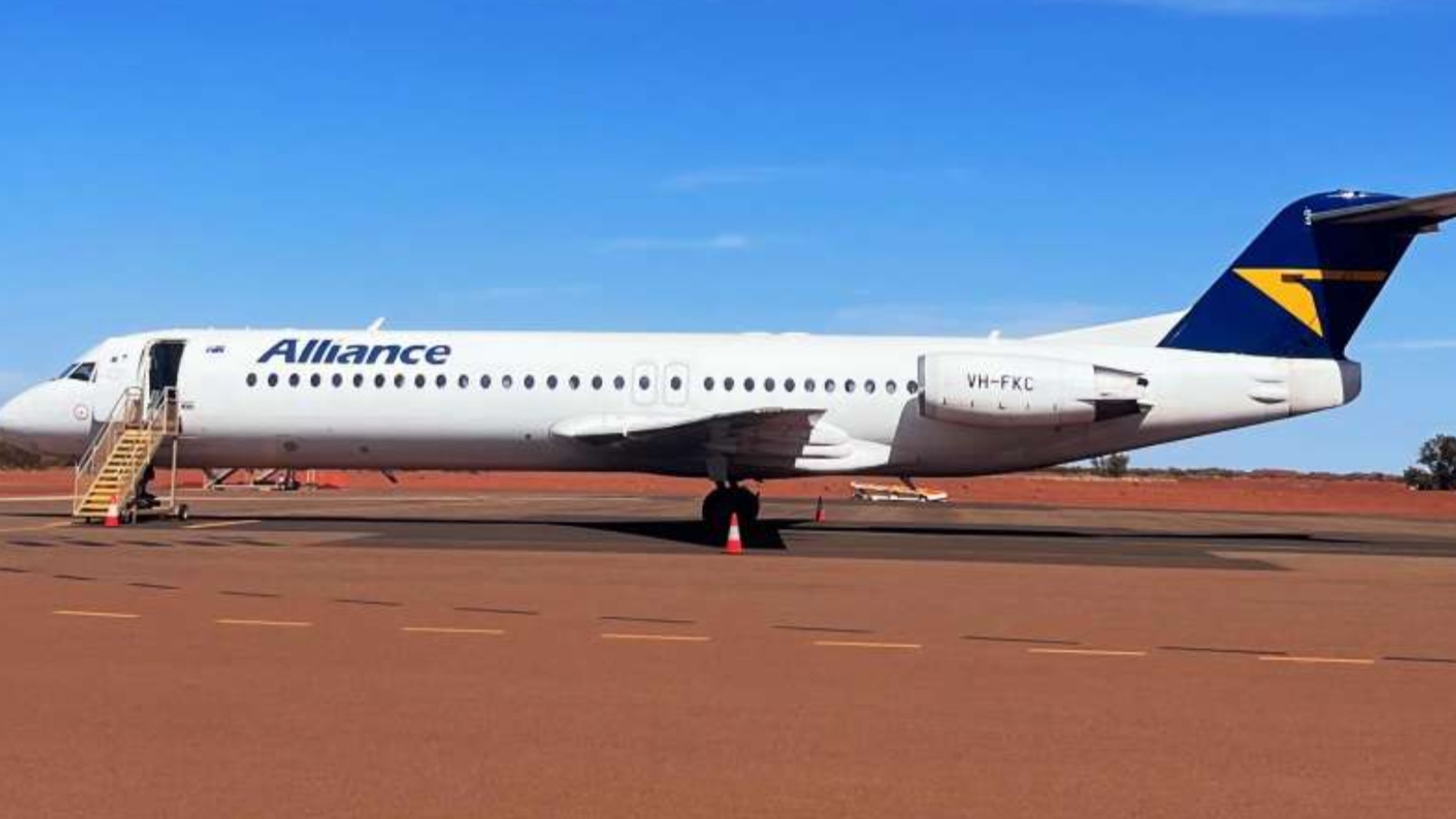
Basically, deserts are chosen because the dry, low-humidity air naturally prevents rust and corrosion, preserving the "gold" for decades together. Few airports like "The Granites Airport in Australia are built specifically to serve actual gold mines in remote deserts.
In the current market, engines alone can account for over 75% of an aircraft’s total residual value. The airframes are also melted down for valuable metals like aluminium and titanium, used for high-end products like golf.
Source Of Sustainability
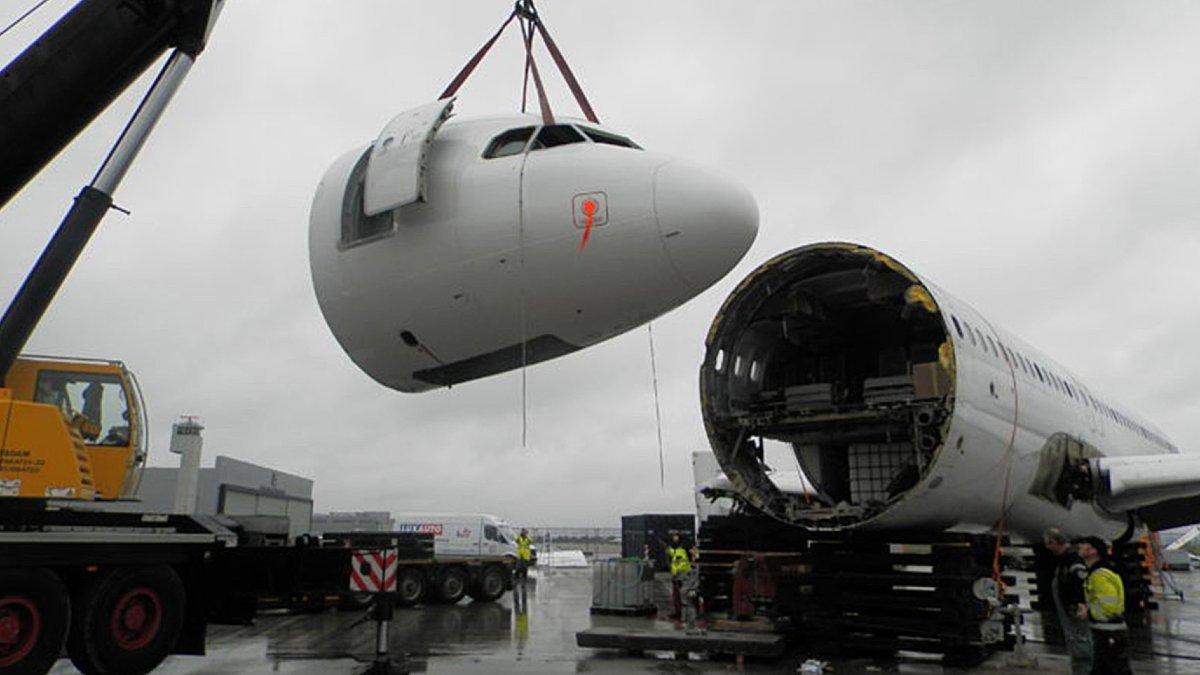
Once a plane is stripped of its high-value electronics, the heavy lifting begins. Modern dismantling teams can now recover over 90% of a planet's weight.
The fuselage is shredded and high-graded aluminium is melted down. It might return back to the sky in a new plane or find a life as a soda can or window frame.
Newer planes like the “Boeing 787" use carbon-fibre composites. While harder to recycle than aluminium, recent trends show that new “urban mining” technologies are being developed to prevent these materials from ending up in landfills.
Credits: What Are Those Little Fins On Jet Engines For?
Conversion To Cargo
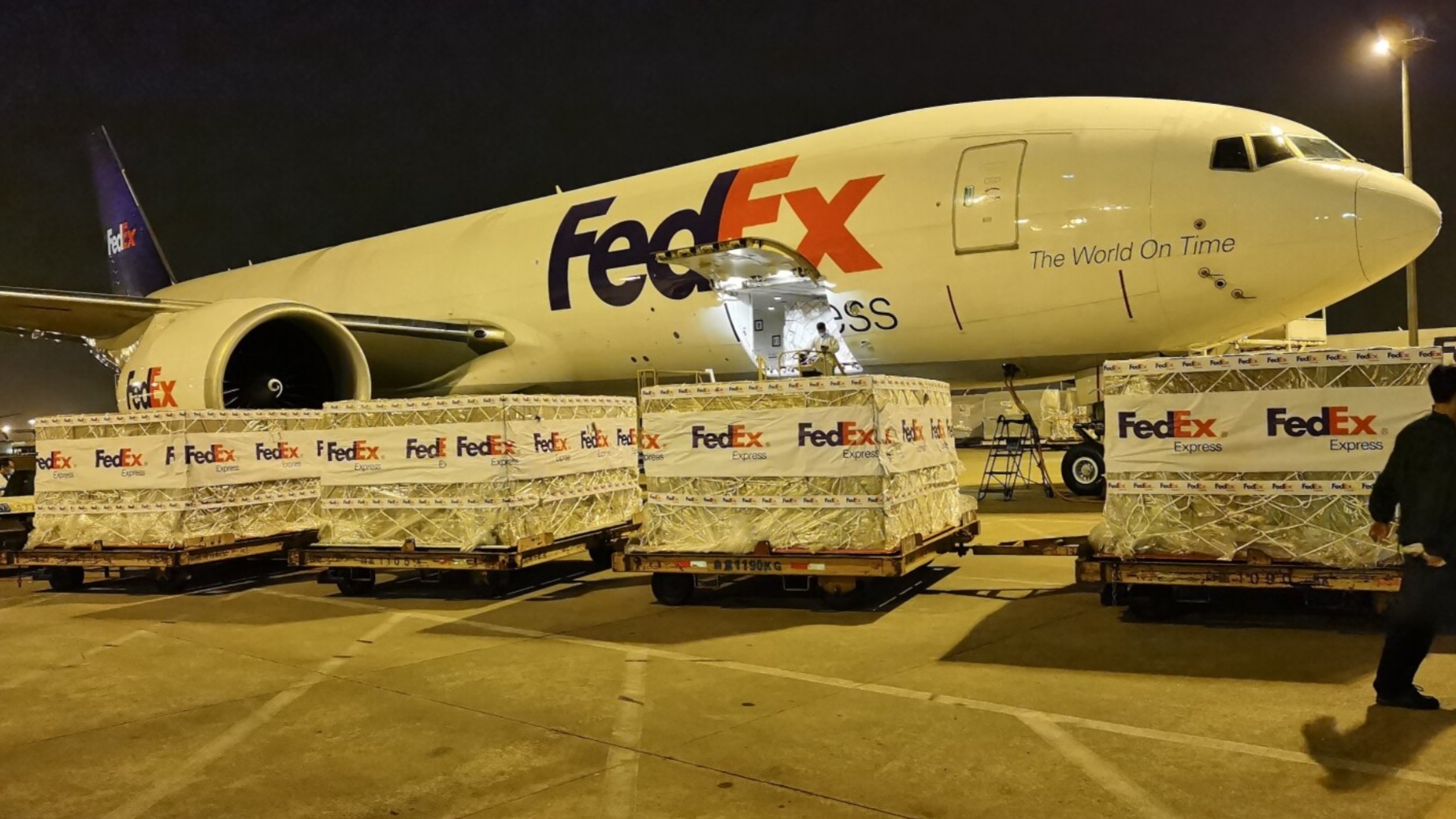
Sometimes, a passenger plane just needs to change their mode of service. “Passenger-to-freighter” conversions involve ripping out seats and reinforcing floors to carry freight. This can give a retired passenger jet an extra 10 to 15 years of life hauling packages for companies like FedEx or DHL.
By 2026, innovations in composite recycling and AI-driven dismantling have ensured that even the oldest jets contribute to a more sustainable and resource-efficient future for aerospace. As far as the aviation industry is concerned, the final landing is simply the first step in a multi-billion dollar second life.
Comments (0)
Log in to share your thoughts
No comments yet
Be the first to share your thoughts!