
Snakes are among the most misunderstood animals on Earth. Their quiet movement, hidden lifestyles, and association with danger have made them a source of fear for many people. In reality, snakes are highly diverse reptiles that play a vital role in maintaining healthy ecosystems. They exist in a wide range of environments, from deserts and grasslands to rainforests, mountains, wetlands, and even oceans.
Because snakes are elusive and often live in remote or dense habitats, it is extremely difficult to estimate their total population. Scientists rarely attempt to count individual snakes in a country, as doing so would be impractical and unreliable. Instead, researchers focus on identifying and recording snake species found within national boundaries.
Based on scientific records, there are more than 3,500 snake species worldwide. Of these, only about 600 are venomous, and fewer than 200 species pose a serious threat to humans.
Despite common fears, most snakes avoid human contact and do not attack unless threatened. Sadly, many are killed due to misunderstanding and fear. Ecologically, snakes are essential. They help control rodent populations, reduce the spread of disease, and maintain balance in food chains.
Using species-count data compiled by wildlife and biodiversity researchers, the following article highlights the ten countries with the highest number of recorded snake species in the world.
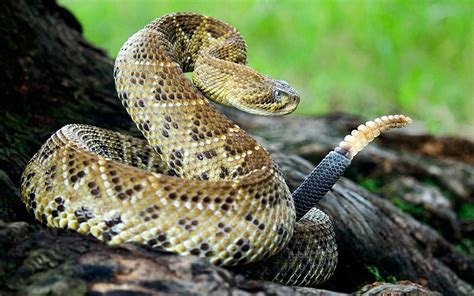
Mexico
Mexico ranks first in the world, with 438 known snake species. The country’s remarkable geographic diversity plays a major role in this high number. Mexico includes deserts, grasslands, mountains, tropical rainforests, and long coastlines, all of which provide ideal habitats for different snake species. The country is home to rattlesnakes, vipers, coral snakes, sea snakes, and many lesser-known species, making it the most snake-diverse nation on Earth.
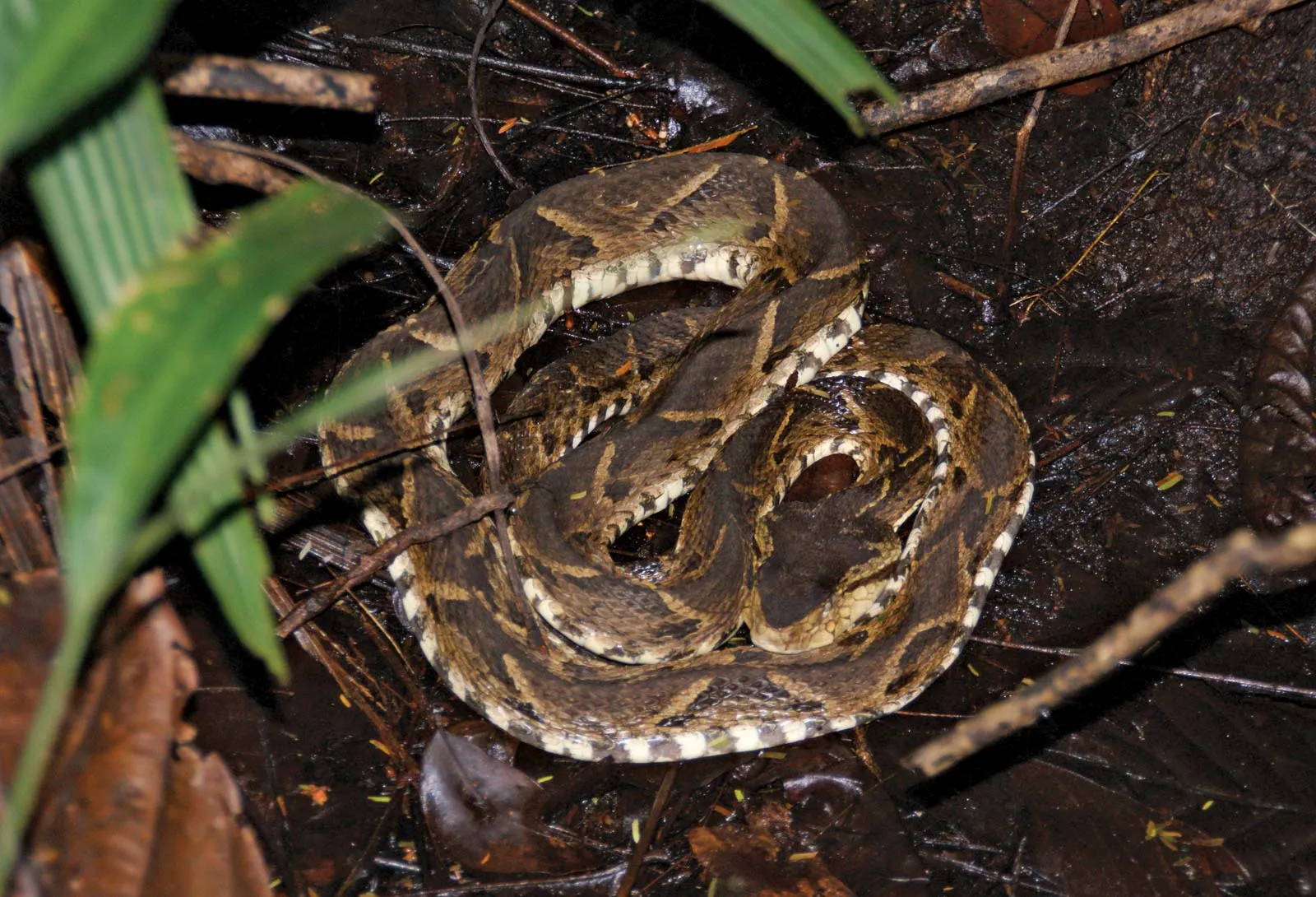
Brazil
Brazil follows closely with around 420 documented snake species. It is one of the richest countries in the world in terms of snake diversity, largely because of the Amazon Rainforest. This vast ecosystem offers perfect conditions for breeding, shelter, and food. Brazil hosts some of the world’s most famous non-venomous snakes, such as anacondas and boa constrictors, as well as highly venomous species like the fer-de-lance and coral snakes.
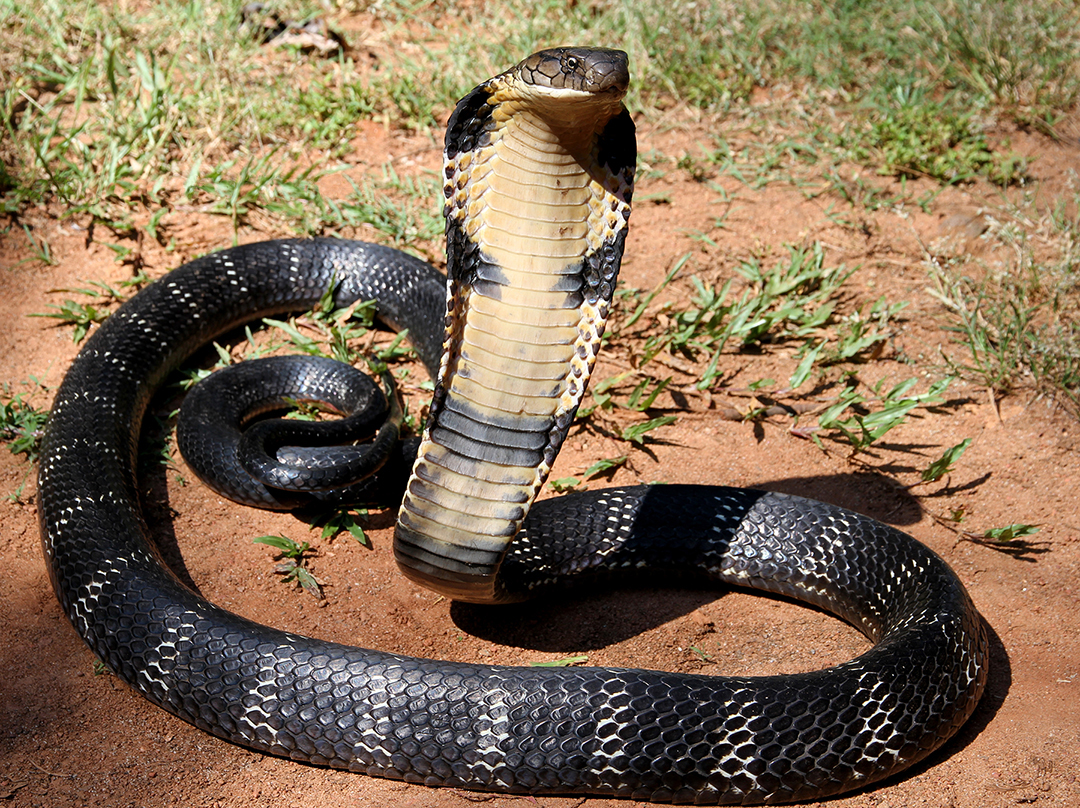
Indonesia
Indonesia is home to 376 snake species spread across thousands of islands. Its tropical rainforests, mangrove swamps, wetlands, and volcanic landscapes create excellent environments for snakes. The country supports both land-dwelling and marine snake species, making it one of the most diverse snake habitats in the world.
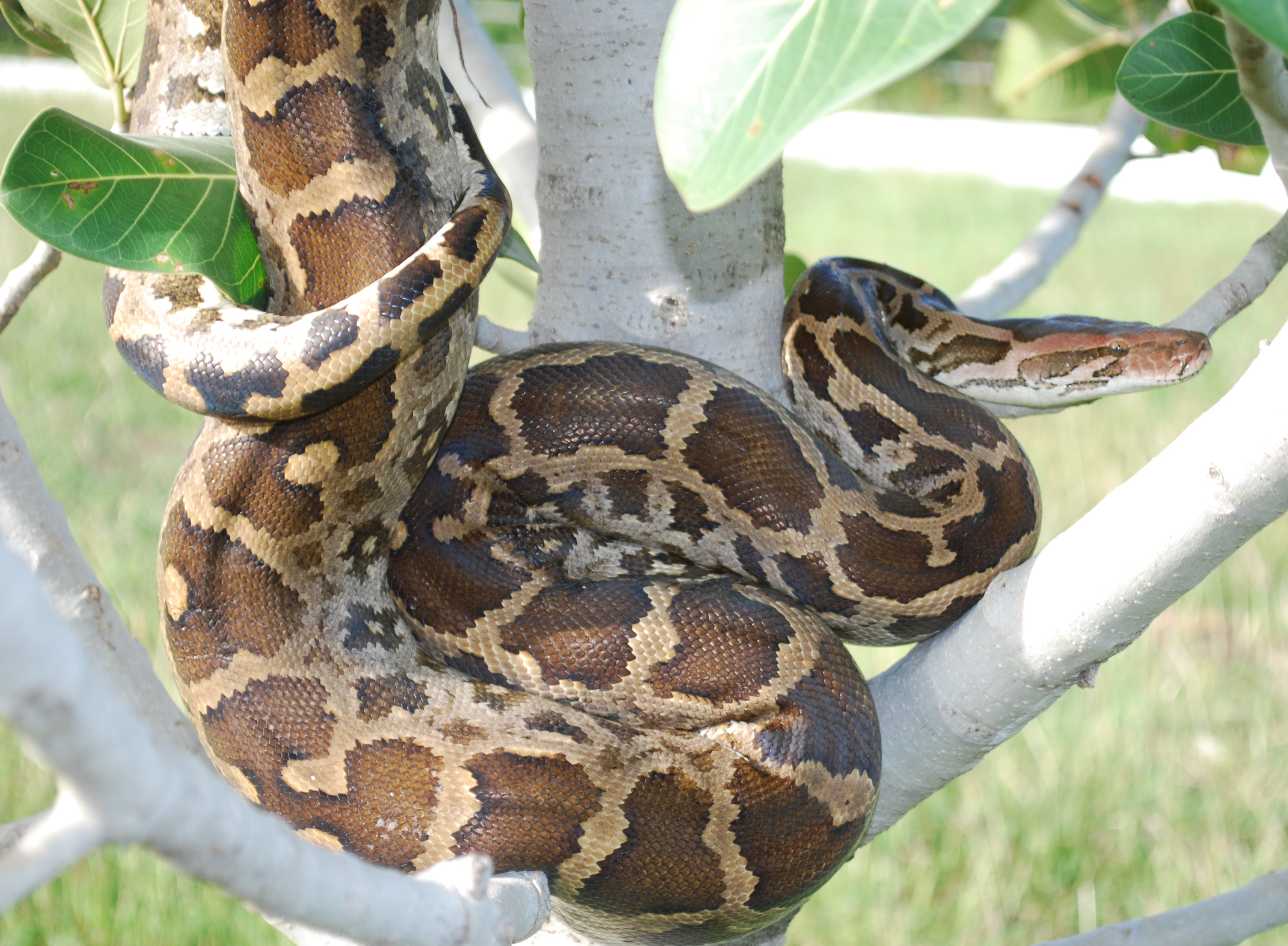
India
India has around 305 snake species, reflecting its wide range of ecosystems. Snakes in India inhabit areas ranging from the Himalayan foothills to deserts, plains, wetlands, and tropical rainforests. While many Indian snakes are harmless, the country is also home to highly venomous species such as the saw-scaled viper, which is responsible for more human deaths than any other snake species worldwide.
Colombia
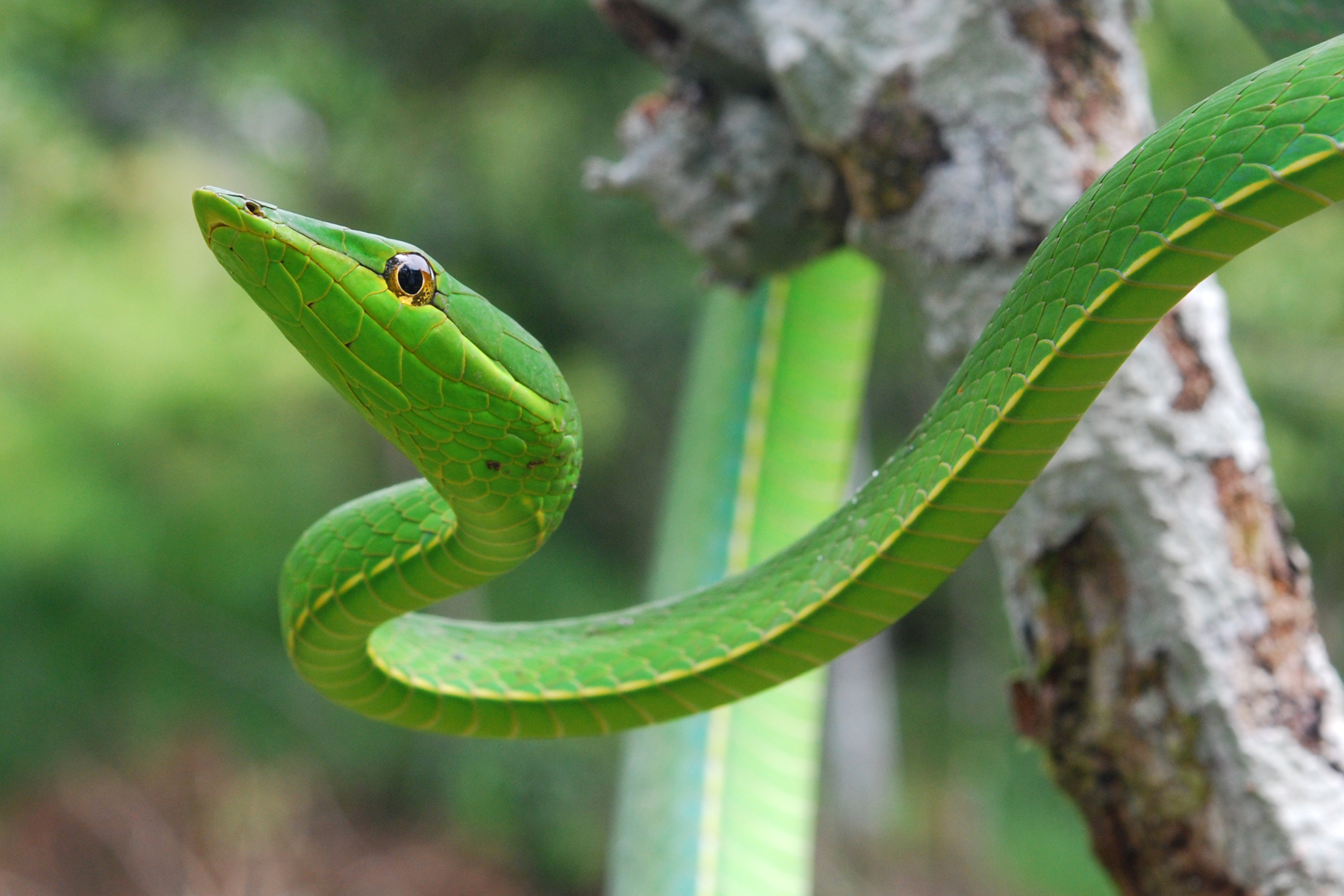
Colombia is one of the most biodiverse countries on the planet and has 301 known snake species. Located between Central and South America, the country features rainforests, mountains, and river systems that support a wide variety of reptiles. These varied habitats allow many snake species to thrive.

China
China has 246 recorded snake species living across forests, grasslands, wetlands, and subtropical regions. Due to its large size and diverse climate, snakes in China can be found from lowland plains to mountainous regions. This environmental variety supports a broad range of snake species.
Ecuador
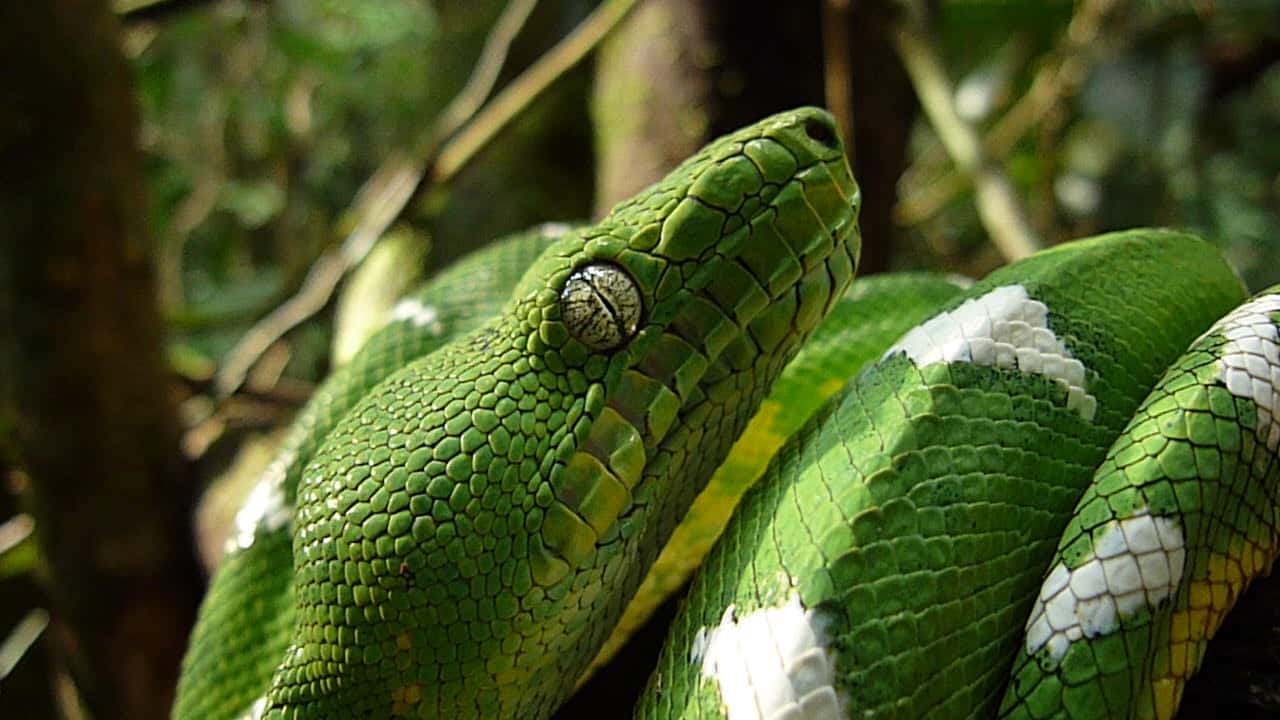
Despite its relatively small size, Ecuador contains 241 snake species. The country’s high species count is influenced by three major regions: the Amazon Basin, the Andes Mountains, and the Pacific coast. Ecuador has one of the highest numbers of snake species per unit area in the world.
Vietnam
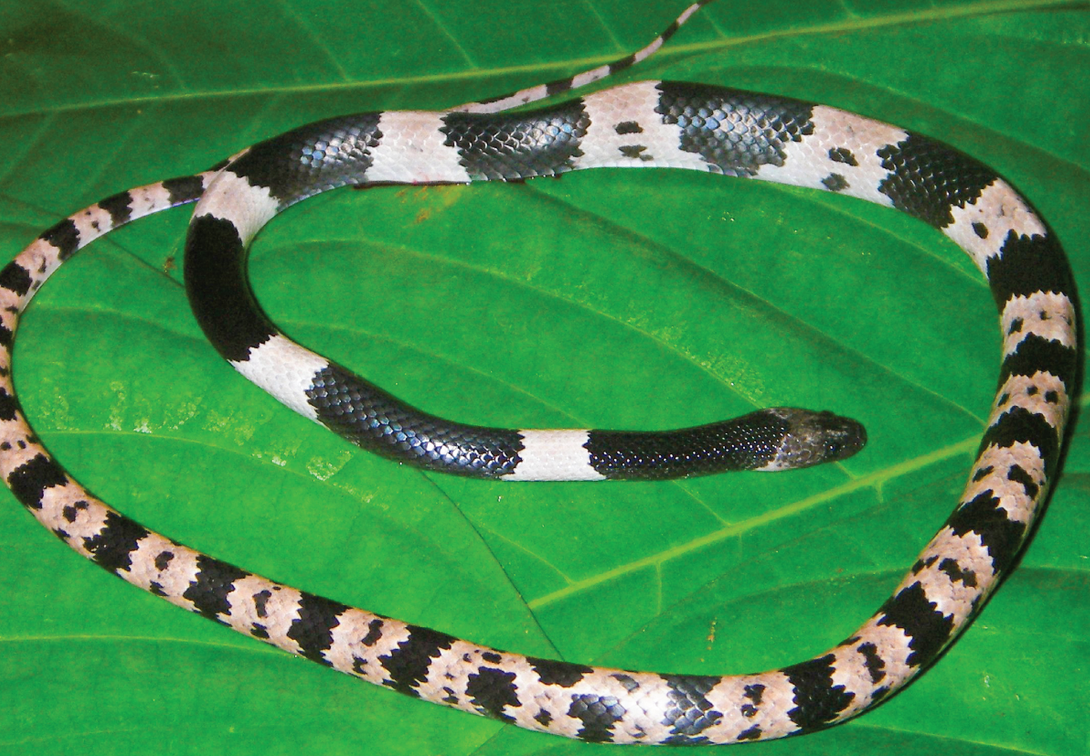
Vietnam is home to 226 snake species. Its dense forests, wetlands, and tropical climate create ideal conditions for reptiles. Vietnam’s rich biodiversity places it among the most important habitats for snakes in Southeast Asia.
Malaysia
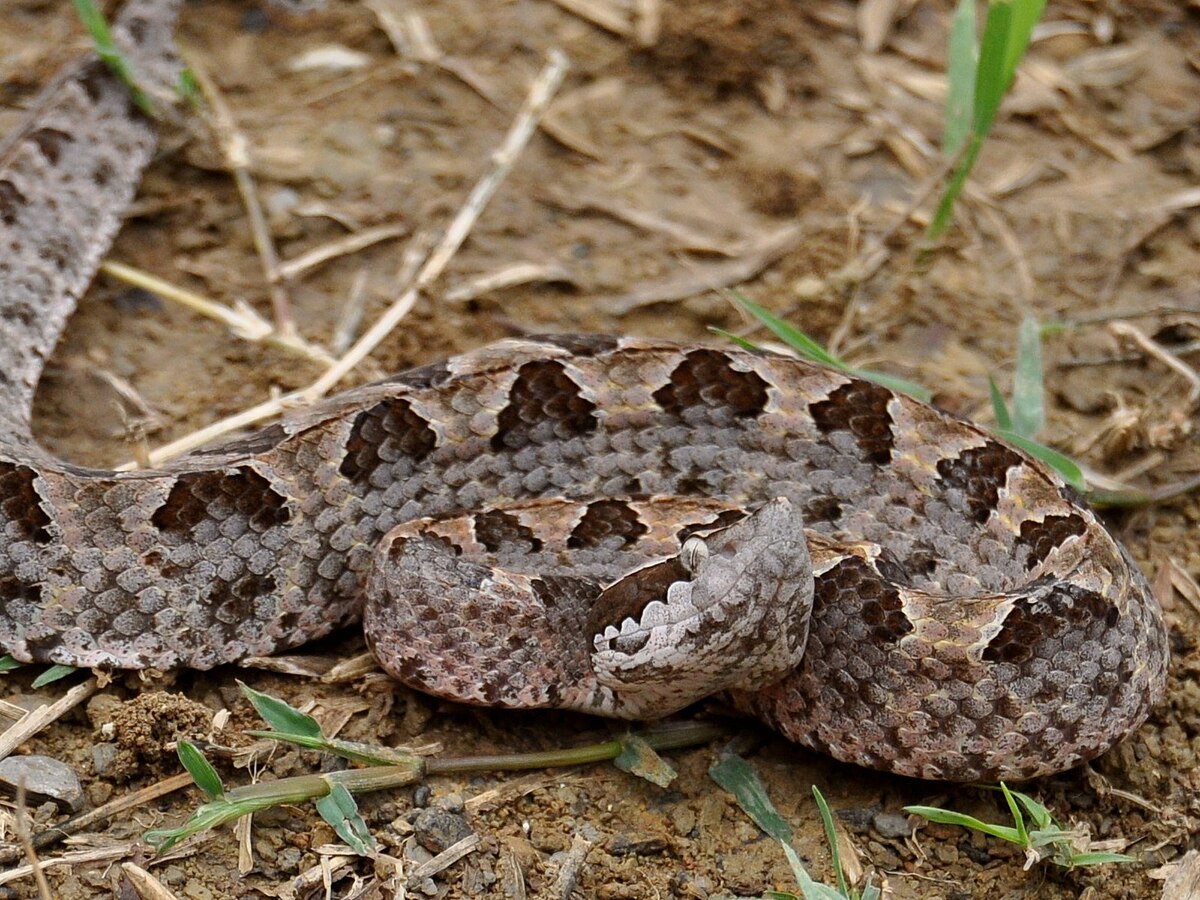
Malaysia has 216 known snake species, many of which live in rainforests and coastal environments. Both Peninsular Malaysia and the island of Borneo contribute significantly to the country’s snake diversity, making it an important region for reptile conservation.

Australia
Australia completes the list with 215 snake species. While the country is famous for its venomous snakes, not all Australian species are dangerous to humans. Australia’s long geographic isolation has led to the evolution of many unique snake species found nowhere else in the world.
Key Takeaways
The countries listed above highlight how geography, climate, and ecosystems shape snake diversity around the globe. Although snakes are often feared, they are essential for ecological balance and biodiversity. Understanding their importance can help reduce unnecessary killings and encourage conservation efforts that protect these remarkable reptiles for future generations.
Data Sourced from World Population Review.