Table manners are an important part of everyday life. They reflect a person’s respect, discipline, and good behaviour. Whether you are eating at home with family, at school, in a restaurant, or at a formal event, good table manners help create a pleasant and comfortable environment for everyone. They also leave a positive impression and help build confidence and strong social skills. Learning and practicing good table manners from an early age is helpful in both personal and professional life. Here are the 15 basic table manners everyone should follow.
Sit Properly at the Table
Always sit up straight while eating and avoid slouching or leaning too far back. Your feet should rest flat on the floor, and you should sit close enough to the table so you do not need to bend forward while eating. Keep your elbows off the table during meals, especially while chewing. Sitting properly shows attentiveness and helps you eat neatly without spilling food.
Wait Before You Start Eating
It is polite to wait until everyone at the table has been served before you begin eating. In formal settings or family gatherings, you should wait for the host, an elder, or the person who prepared the food to start first. Waiting shows patience, respect, and good self-control.
Use Cutlery Correctly
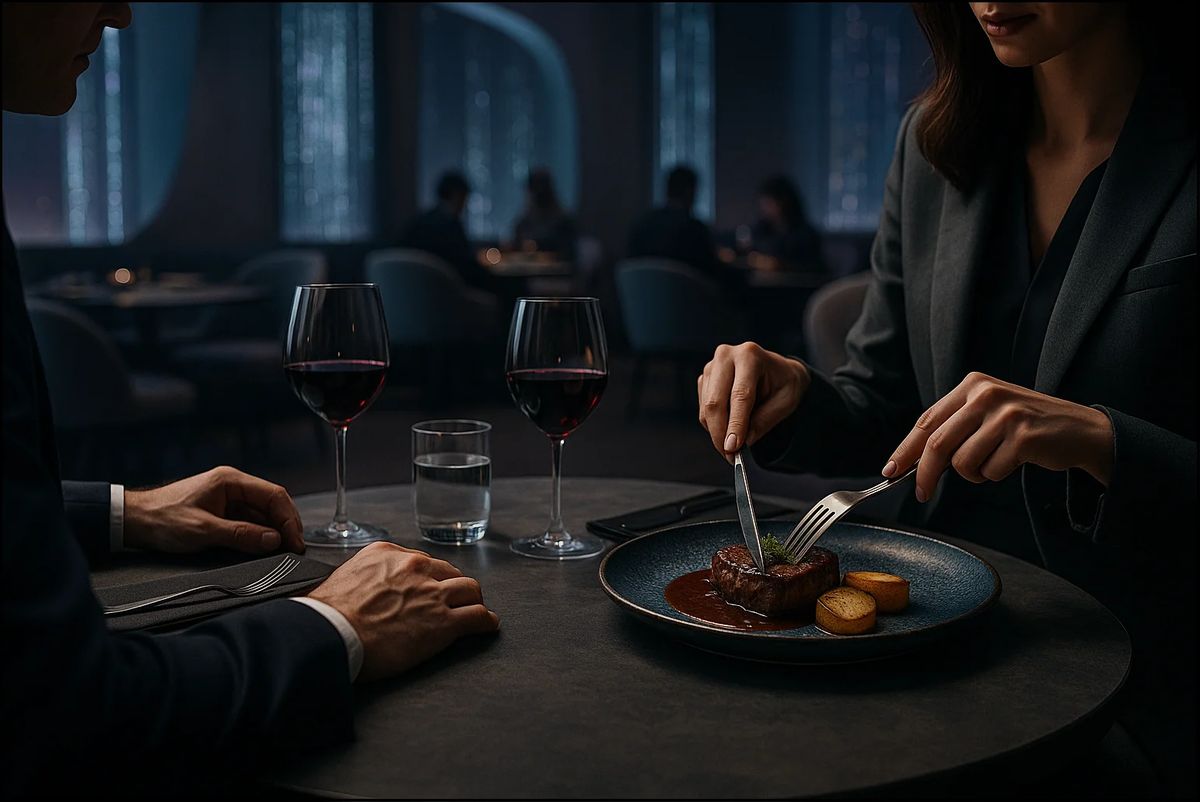
Use spoons, forks, and knives in the proper way. Hold them gently and comfortably, not too tightly. Use cutlery only for eating and not for playing, tapping, or pointing at others. When you pause or finish eating, place your cutlery neatly on your plate rather than on the table. Proper use of cutlery shows neatness and good manners.
Eat with Your Mouth Closed
Always chew your food with your mouth closed. Talking while chewing is considered rude and can be unpleasant for others. Take small bites so you can chew comfortably and eat neatly. Avoid making loud chewing or slurping noises, as these sounds can disturb others at the table.
Speak Politely and Softly
Keep conversations calm, friendly, and pleasant during meals. Avoid shouting, arguing, or using rude language. Do not interrupt others while they are speaking. If someone is talking, listen patiently and respond politely. Good conversation helps everyone enjoy the meal together.
Do Not Reach Across the Table
If food, salt, or any item is far away, politely ask someone nearby to pass it to you. Reaching across the table can cause spills and discomfort. Always use polite words such as “please” when asking and “thank you” when receiving something.
Keep the Table Clean
Eat carefully to avoid spilling food on the table, floor, or your clothes. Use a napkin to wipe your mouth and hands instead of using your sleeves or clothes. Place used napkins neatly beside your plate. If something falls by mistake, pick it up calmly or ask for help without drawing attention.
Avoid Using Phones at the Table
Using mobile phones during meals is considered impolite. Mealtime is a chance to connect with family, friends, or guests. Keep your phone away unless there is an urgent reason. Paying attention to the people around you shows respect and good manners.
Do Not Waste Food
Take only as much food as you can eat. Wasting food is disrespectful, especially when many people lack enough food. If you are still hungry, you can politely take a second serving. Being mindful about food shows responsibility and gratitude.
Say “Excuse Me” When Needed
If you need to leave the table for any reason, say “excuse me” politely. If you accidentally burp, sneeze, or cough, cover your mouth and say “excuse me” softly. These small actions show awareness and consideration for others.
Do Not Play with Food
Food should be treated with respect. Avoid playing with it, mixing it unnecessarily, or making shapes on your plate. Playing with food looks careless and may make others uncomfortable. Eat calmly and with attention.
Do Not Overfill Your Mouth
Avoid stuffing your mouth with too much food at once. Large bites can make chewing difficult and increase the chance of spilling or choking. Small bites help you eat neatly and comfortably.
Pass Dishes Carefully
When passing food or dishes, do so carefully and politely. Never throw or slide dishes across the table. Make sure the person is ready to receive the item to avoid spills or accidents.
Respect Different Eating Habits
People may have different eating styles, cultural habits, or dietary choices. Avoid making comments about how others eat or what they eat. Respecting differences shows maturity and good social behaviour.
Finish Gracefully
When you finish eating, place your cutlery neatly on your plate. Sit calmly until others are done and avoid rushing them. Before leaving the table, thank the person who cooked or served the meal. Showing gratitude is a key part of good manners.
Why Good Table Manners Matter
Good table manners are not about strict rules or showing off; they are about being thoughtful, respectful, and kind to others. Practicing these habits every day helps build good character, improves social confidence, and makes every meal a pleasant experience for everyone at the table.