17 Tips to Manage a Fear of Flying
Commercial planes are statistically the safest form of transport. Yet, more than 25 million people worldwide experience some form of anxiety around flying. At its worst, a fear of flying can mean missing out on visiting friends and family, attending events like destination weddings, travelling for work, and seeing the world.
In this article, we will discuss how to overcome a fear of flying, including techniques you can use before setting off, at the airport, and in flight for a more enjoyable journey.
What Can Cause a Fear of Flying?
Many people are afraid of flying, a fear known as aerophobia, but the reasons behind this fear vary.
Some travellers may have experienced a highly turbulent flight in the past, triggering anxiety around planes. Others may have simply heard stories about bad flights that have stuck with them. Some people are scared to fly because they are claustrophobic, fear exposure to germs, or have a fear of heights.
Tips to Reduce Anxiety When Flying
If you suffer from anxiety around air travel, there are plenty of things you can do before you set off and during your journey to ease your nerves. Here are our top tips on how to deal with a fear of flying.
Before You Travel
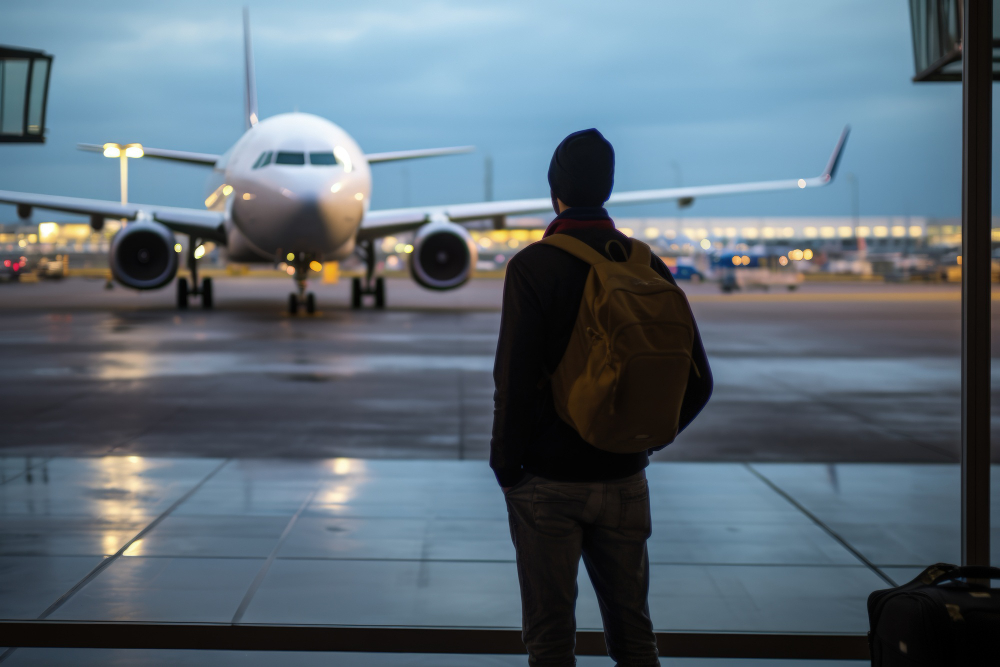
You can take several steps to reduce flying anxiety before you even set foot in the airport. Here are our top four proactive fear-of-flying remedies:
Choose the Right Seat When Booking
Selecting your plane seat before travelling can make a huge difference to your in-flight anxiety levels. Nervous fliers will likely want to sit as close to the front of the plane as possible. Turbulence is felt most at the back of the plane, and the roar of the engine is louder there, too.
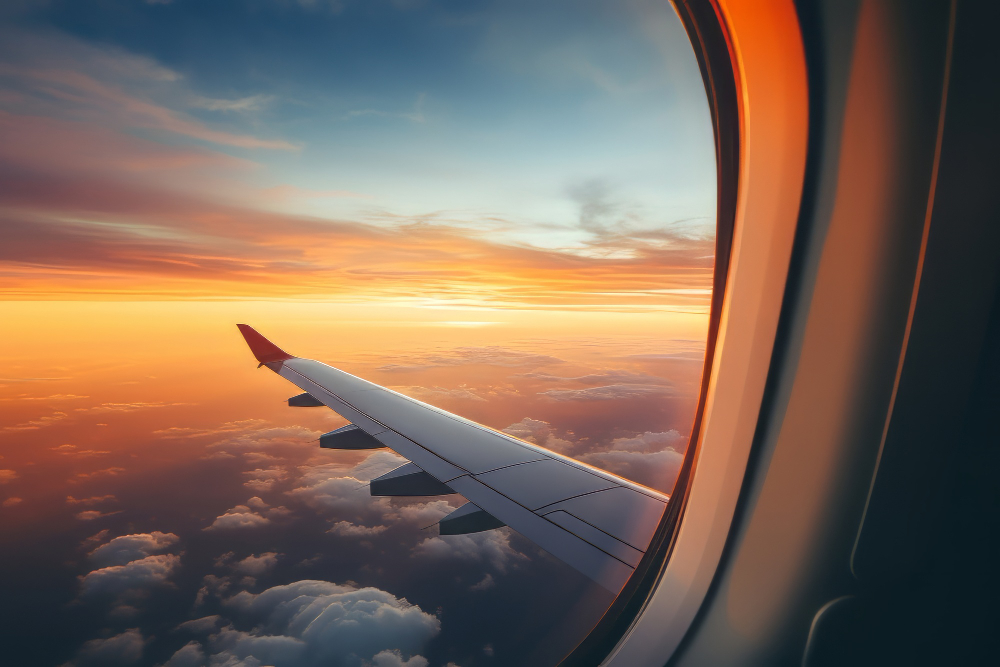
If your fear of flying is due to claustrophobia, consider booking an aisle seat. You will not feel quite so hemmed in, and you will be able to get up easily to stretch your legs, attract the attention of the cabin crew, or visit the bathroom. Extra legroom seats are also a great option for people who hate feeling cramped. However, if it is the motion of the aeroplane that concerns you most, a window seat may be a better option. This allows you to keep your eyes on the horizon and view the plane's surroundings.
Create a Pre-Flight Routine
Consider which activities help you feel calm and build these into your pre-flight routine. Effective relaxation techniques for flying anxiety can include guided meditation on an app, mindful breathing exercises, listening to calming music, calling a friend or family member, drinking herbal tea, or applying your favourite moisturiser or scent. Make time to fit in your preferred calming activities before boarding.
Pack In-Flight Comforts
Distracting yourself and sleeping are two of the best ways to get through a flight without too much stress. However, this requires a little pre-planning. Pack a sleep mask, headphones, and earplugs in your cabin bag if you are aiming to get some shut-eye in the sky. If you worry you will not be able to sleep, download films, TV shows, podcasts, and games to your phone and pack a good book.
Avoid Caffeine
If you are feeling anxious, caffeine is never your friend. In fact, it is likely to make you feel more nervous about your flight. Skip that cup of coffee in the airport and drink water to stay hydrated instead.
At the Airport
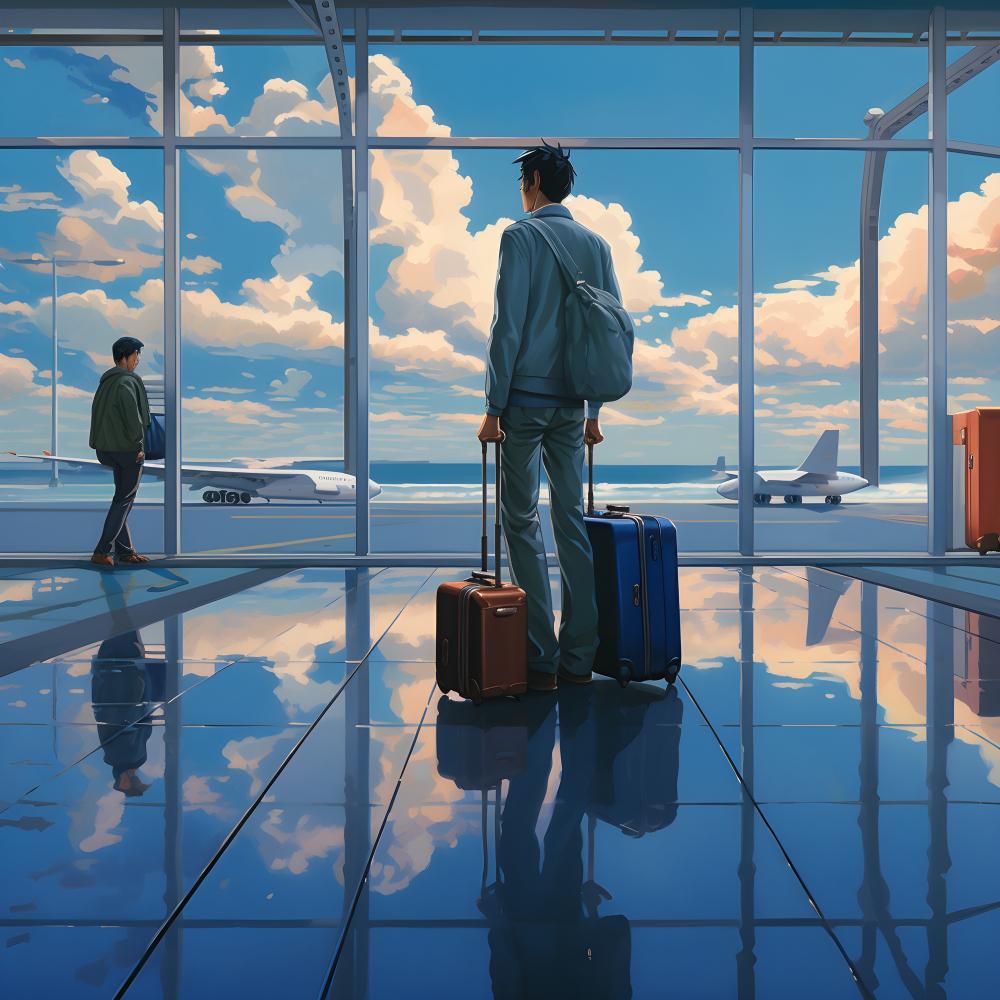
For passengers with flight anxiety, the airport is often the point in the journey where fear really takes hold. Here is how to deal with anxiety about flying during your time at the airport.
Pre-book Lounge Access
Many people find airports exciting, with the wide variety of shopping, drinking, and dining options often on offer. But if you have a fear of flying, waiting to board in a crowded, noisy airport can exacerbate your anxiety. Instead, consider pre-booking access to a premium lounge at your departure airport. These lounges are usually relatively peaceful and comfortable and boast a range of exclusive amenities, such as unlimited food and drink, Wi Fi, and private bathrooms.
Arrive in Plenty of Time
You may not want to spend any longer than necessary in an airport, but arriving well ahead of your flight will make for a much less stressful journey. Give yourself time to navigate through check-in and security queues, locate your gate, buy anything you need for your flight, and relax with a meal or drink.
On the Plane
If you have severe aerophobia, one of your biggest concerns is probably how to stay calm when flying. Read on for five techniques for calming your nerves in flight.
Alert Flight Attendants
Before takeoff, make the cabin crew aware of your fear of flying. Most flight attendants will check in on nervous fliers once you are airborne and reassure you if turbulence strikes.
Breathing Techniques
If you start to feel stressed during your flight, try some mindful breathing techniques to help calm your nervous system. A simple technique to lessen anxiety involves breathing in through your nose, holding your breath for a few seconds, and then breathing out through your mouth.
Meditations
There are many mindfulness apps, such as Calm and Headspace, that offer guided meditations for flight anxiety. Remember to download any relevant sessions ahead of time, and do not forget to pack your headphones.
Distraction Techniques
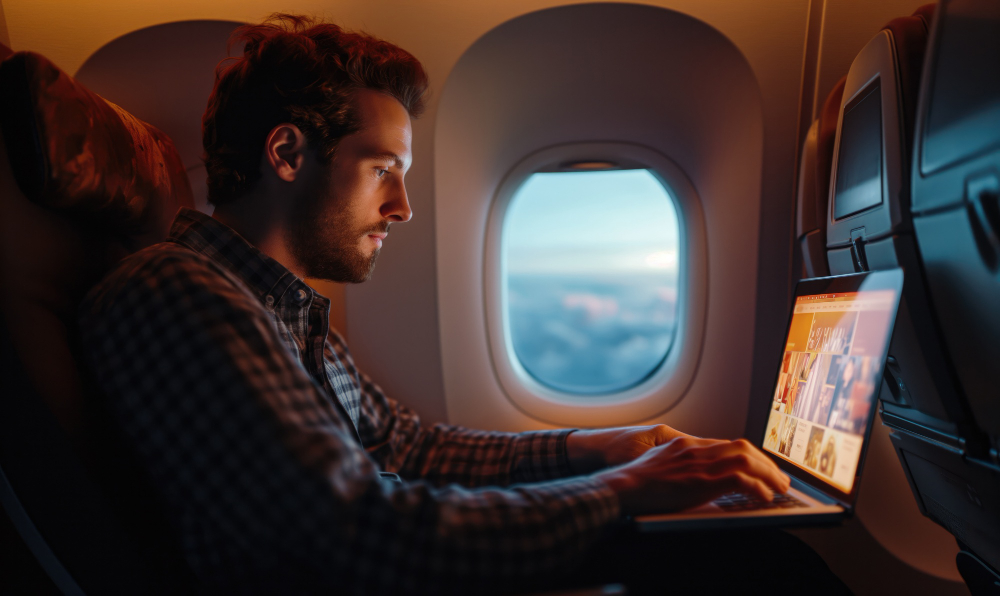
If you are wondering how to conquer a fear of flying, distracting yourself is one of the best ways to forget that you are on a plane cruising at 30,000 feet. Download TV shows, films, podcasts, and games to your devices ahead of the flight and pack a few good books. This way, the flight will hopefully pass before you even realise you are in the air.
Noise-Cancelling Headphones
From passengers chatting and babies crying to tannoy announcements and the sound of the engine, the general noise of a plane can be an added stressor for anxious fliers. Fortunately, there is a simple fix. Pack noise-cancelling headphones or a cheaper alternative, earplugs, to block out the surrounding sounds.
Tips for Dealing With Anxiety About Flying for the First Time
If you have never travelled by plane before, you are likely dealing with first-time flying anxiety. It is worth taking some extra measures to help you stay calm and enjoy your journey.
Do Plenty of Research About the Airport: If you are a first-time flier, some of your anxiety may stem from concerns about navigating the airport. Airports are not particularly difficult to get around, but they can seem complex to someone who has never flown before. Luckily, there are step-by-step guides on how to navigate an airport like a pro, and you can also check the airport and airline websites.
Arrive Early: All anxious fliers should arrive at the airport early for a less stressful experience. If this is your first time flying, it is wise to allow a generous margin for error. It is generally recommended that travellers arrive at least two hours before short-haul flights and three hours before long-haul flights. As a nervous flier, arriving three hours before domestic flights and three to four hours before international flights may be a good idea.
Watch Videos So You Know What to Expect: If you have never flown before, the moment the plane wheels leave the tarmac can be a shock. Watching videos of flights taking off and landing, filmed inside the aircraft, can help you know what to expect.
Download Your Airline App: In the airport, you will find screens displaying your flight details and hear regular tannoy announcements. However, downloading your airline app allows you to receive real-time updates about your gate and departure time directly on your phone.
Make Sure Your Luggage Is the Right Size and Weight: Check your airline website to find details about luggage size and weight restrictions for cabin bags and checked luggage. Airlines also vary in the number of bags permitted onboard. Ensuring your luggage meets these requirements will help you avoid last-minute fees and delays.
Wear Comfortable Clothing: A day of flying involves a lot of sitting still. While it can be tempting to dress up for the airport, you will appreciate wearing comfortable, loose layers.
Conclusion
Fear of flying is common, but it does not have to stop you from travelling. With a little preparation and the right calming techniques, flying can feel much easier and more manageable. Over time, these small steps can help you feel more confident, relaxed, and ready to enjoy your journey.