Your relationship with food plays a powerful role in both your physical health and mental well-being. A good relationship with food is not about eating perfectly, counting calories, or following strict rules. Instead, it is about trust, balance, and freedom.
A healthy relationship with food means giving yourself unconditional permission to eat. No foods are forbidden, and eating does not come with guilt, shame, or fear. Food is not labelled as “good” or “bad.” Instead, it is seen as nourishment, enjoyment, culture, and connection.
Improving your relationship with food is not something that happens overnight. It is a lifelong process, much like maintaining relationships with people you care about. It requires patience, self-awareness, and kindness toward yourself.
This article explores what it means to have a healthy relationship with food, how to recognize an unhealthy one, and practical ways to begin improving it.
Understanding Your Relationship With Food
Before you can improve your relationship with food, it is important to understand where you currently stand. Many people believe that a bad relationship with food is about eating the “wrong” foods, but this is not true.
Your relationship with food has little to do with the quality of your diet and much more to do with how you think and feel about eating. It is shaped by past experiences, family habits, culture, social pressure, and diet culture.
When your relationship with food improves, eating becomes less stressful. You spend less time worrying about what, when, or how much you eat, and more time enjoying food and listening to your body.
Signs of a Poor Relationship With Food
An unhealthy relationship with food can show up in many ways. Some common signs include:
-
Feeling guilty or ashamed after eating
-
Avoiding or restricting certain foods
-
Following strict food rules
-
Relying on calorie-tracking apps to decide when to stop eating
-
Ignoring hunger or fullness signals
-
Frequently dieting or trying the latest food trends
-
Feeling anxious when eating around others
-
Cycling between restricting food and overeating
You do not need to experience all of these signs to have a poor relationship with food. Even feeling occasional shame, fear, or stress around eating may be a sign that your relationship with food could be improved.
It is also important to understand that your relationship with food can change from day to day. Some days you may eat freely and feel at peace. Other days, guilt or worry may creep in. This is normal and does not mean you are failing.
The goal is not perfection, but progress, having more positive experiences with food than negative ones.
What Does a Healthy Relationship With Food Look Like
A healthy relationship with food develops over time. It requires practice, patience, and self-compassion.
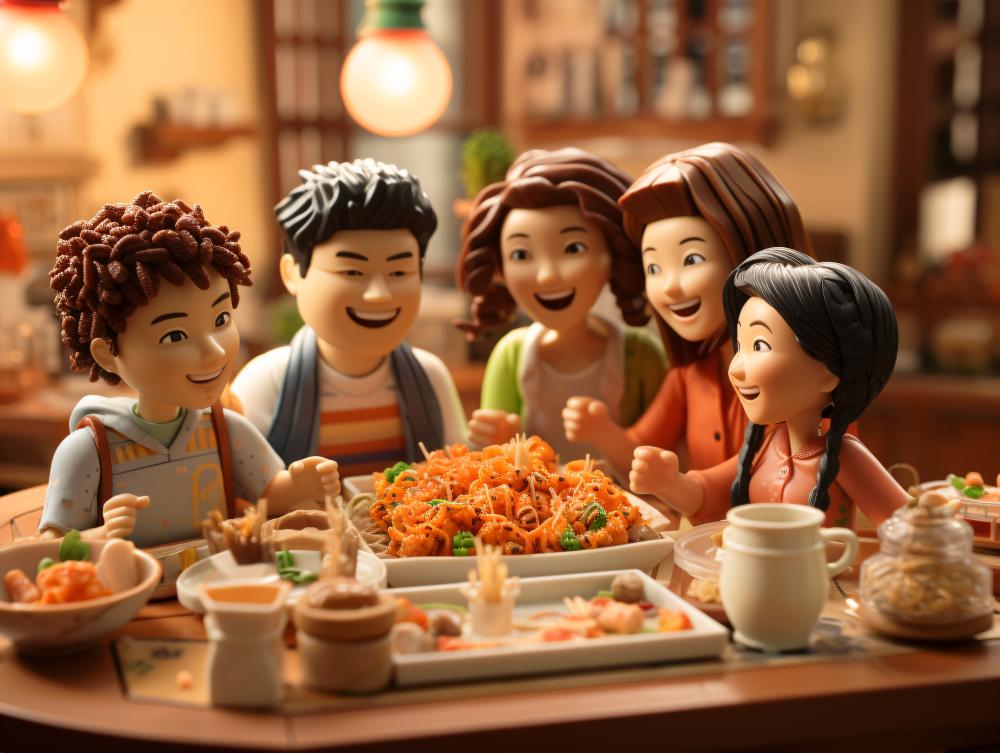
Food is more than fuel. While it does provide energy and nutrients, people also eat for pleasure, culture, tradition, social connection, and comfort. Recognizing this helps remove pressure and unrealistic expectations around eating.
When you stop viewing food as only calories or nutrients, you begin to see its broader value. This shift makes it easier to eat with balance and enjoyment.
Some signs of a healthy relationship with food include:
-
Allowing yourself to eat foods you enjoy
-
Listening to hunger and fullness cues
-
Eating when hungry and stopping when satisfied
-
Not labelling foods as forbidden
-
Not obsessing over weight or the scale
-
Making food choices without outside pressure
-
Not feeling the need to justify what you eat
-
Understanding that food does not define your worth
-
Enjoying all foods in moderation
-
Choosing foods that help you feel your best
-
Not letting calories control your decisions
Many people feel overwhelmed when reading this list and believe they will never reach this point. That feeling is common, especially after years of exposure to diet culture. Instead of trying to change everything at once, it is more helpful to focus on one small step at a time.
How to Begin Improving Your Relationship With Food
Wanting change is important, but real improvement happens through action. Your journey with food is personal, and there is no single “right” way to do it. Your experiences, preferences, and pace all matter.
Below are some key steps that can help you move toward a healthier relationship with food.
1. Permit Yourself to Eat
One of the most important steps is allowing yourself to eat without conditions.
Strict rules around food often lead to hunger, deprivation, and fear. When foods are restricted, they tend to feel more tempting and powerful.
Even if you eat more than planned or choose foods purely for enjoyment, your body still deserves nourishment. You are allowed to eat when you are hungry or when you want to eat, regardless of the time, day, or situation.
2. Learn to Eat When You Are Hungry
Humans are born with the ability to recognize hunger and fullness. Children naturally eat when they are hungry and stop when they are full. Over time, this ability can fade.
Messages like “clean your plate” or strict diet rules teach people to ignore their bodies and rely on external signals instead. As a result, many people lose trust in their hunger cues.
Reconnecting with hunger takes practice. The more you listen to your body, the easier it becomes to understand when and how much you need to eat.
3. Practice Mindful Eating
Mindful eating means being present during meals. It involves eating without distractions and paying attention to how food tastes, smells, and feels.
Eating slowly allows you to notice hunger and fullness signals more clearly. It also helps you identify which foods you truly enjoy.
Mindful eating can also help you understand why you are eating. Sometimes you eat because you are hungry. Other times, it may be due to emotions, stress, boredom, or habit. There is nothing wrong with this awareness is the key.
Approaching eating with curiosity instead of judgment builds trust with yourself and your body.
4. Allow All Foods Without Labels
Labelling foods as “good” or “bad” gives them unnecessary power. When foods are forbidden, cravings often become stronger.
Allowing all foods reduces guilt and helps break cycles of restriction and overeating. Over time, cravings tend to balance out when food no longer feels scarce.
No single food determines your health. Viewing all foods as neutral helps you make choices based on how food makes you feel, rather than fear or rules.
5. Stop Justifying Your Food Choices
Many people feel the need to explain their food choices to themselves or others. This habit reinforces the idea that eating requires permission.
You do not need a reason to eat what you choose. Trusting yourself to decide what feels right in the moment is a key part of building a healthy relationship with food.
When to Seek Professional Support
Your relationship with food can be deeply influenced by past experiences, emotional patterns, and long-held beliefs. Sometimes, improving it on your own can feel overwhelming.
Working with a registered dietitian, therapist, or healthcare professional can provide valuable support. These professionals can help you understand your history with food and guide you toward healthier patterns.
Key Takeaways
Your relationship with food is personal and constantly evolving. It takes ongoing care, patience, and self-compassion.
Food is not inherently good or bad. It is the meaning and labels we attach to it that give it power. A healthy relationship with food means welcoming all foods, valuing food beyond calories, and remembering that your worth as a person is not determined by what you eat.
Taking the first step toward improving your relationship with food may feel uncomfortable, but it is a meaningful and worthwhile journey that leads to greater freedom, peace, and well-being.