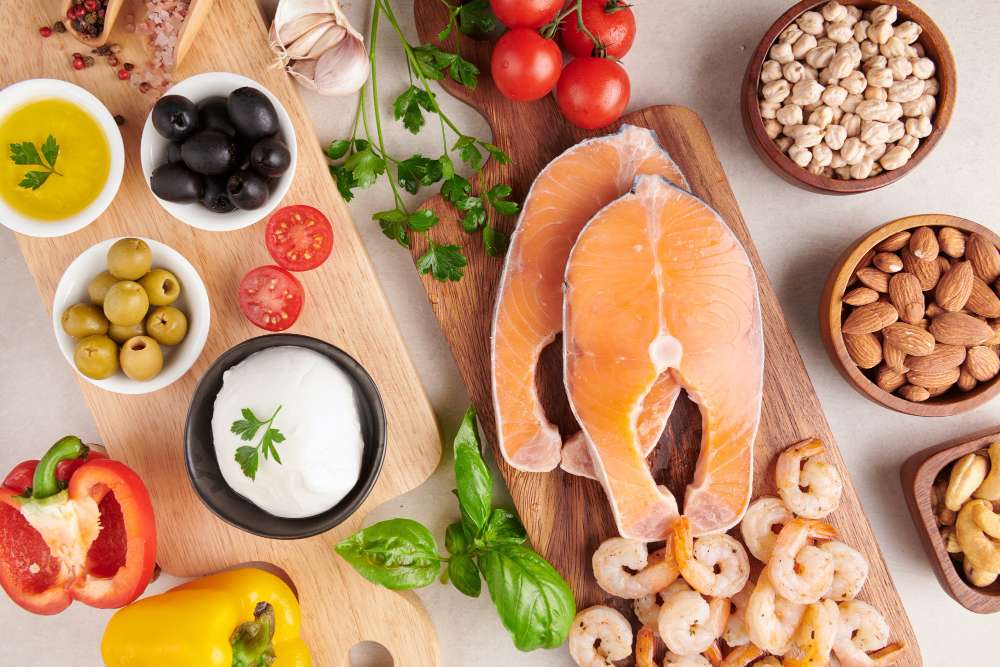
Inflammation is a natural process in the body that helps fight infection and heal injuries. However, when inflammation lasts for a long time, it can increase the risk of many health problems. Chronic inflammation has been linked to conditions such as heart disease, diabetes, obesity, arthritis, and certain cancers.
One effective way to manage inflammation is through diet. Anti-inflammatory foods contain nutrients and compounds that help reduce inflammation and protect overall health. This article explains what anti-inflammatory foods are, their benefits, and examples of foods that may help lower inflammation.
Why Anti-Inflammatory Foods Are Helpful
Anti-inflammatory foods are rich in antioxidants, healthy fats, vitamins, minerals, and plant compounds. These nutrients help reduce harmful processes in the body that lead to inflammation.
Research suggests that long-term inflammation may increase the risk of chronic diseases such as heart disease, obesity, and some cancers. Including anti-inflammatory foods in your diet may help lower this risk.
It is important to note that many studies on anti-inflammatory foods have been conducted in laboratories or on animals. More human studies are needed to determine the exact amounts required for maximum benefits. Even so, eating a balanced diet made up of nutrient-rich foods supports overall health and well-being.

Foods That Help Reduce Inflammation
Avocados
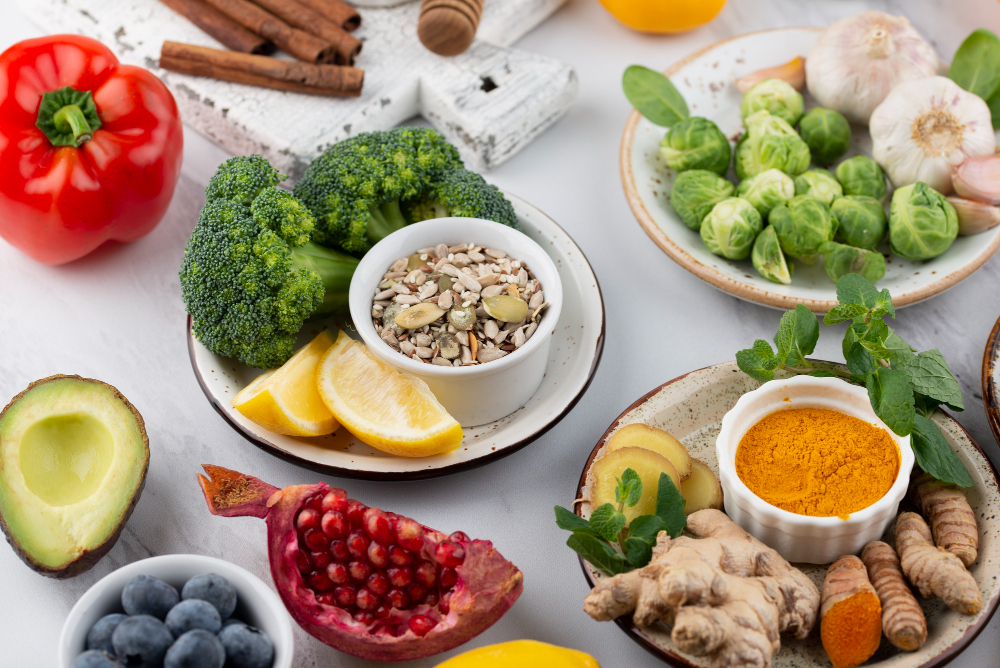
Avocados are rich in healthy fats and nutrients such as fiber, magnesium, and potassium. They also contain carotenoids and tocopherols, which are plant compounds known to reduce inflammation. Research has shown that regular avocado consumption may lower markers of inflammation. Avocados can be eaten in salads, sandwiches, soups, or spread on whole-grain bread.
Beets
Beets contain fiber, folate, and plant pigments called betalains. These pigments have strong antioxidant and anti-inflammatory properties. Studies suggest that beets may help reduce inflammation and support heart health. They can be roasted, added to salads, or blended into soups.
Blueberries
Blueberries are rich in polyphenols, compounds that help reduce inflammation and protect cells from damage. These compounds also give blueberries their deep blue colour. Blueberries are easy to include in smoothies, oatmeal, or yoghurt.
Dark Chocolate
Dark chocolate contains antioxidants called flavanols, which have anti-inflammatory effects and may support heart health. Research shows that cocoa flavanols can improve blood pressure and blood vessel function. For the best benefits, dark chocolate should contain at least 70% cocoa.
Fatty Fish
Fatty fish such as salmon, tuna, mackerel, and sardines are high in omega-3 fatty acids. Omega-3s help reduce inflammation by slowing processes in the body that cause inflammatory responses. Health organisations recommend eating fatty fish regularly, preferably grilled or baked rather than fried.
Garlic
Garlic contains sulfur compounds that may reduce the production of inflammation-causing substances in the body. Adding garlic to meals is an easy way to enhance both flavour and health benefits.
Ginger
Ginger has been used for centuries and contains compounds that help reduce inflammation. Studies show ginger may lower inflammatory chemicals in the body. It can be added to tea, smoothies, or meals.
Grapes
Grapes contain anthocyanins and resveratrol, compounds known for their antioxidant and anti-inflammatory properties. Resveratrol has been linked to reduced inflammation and improved heart health. Grapes can be eaten fresh, frozen, or added to dishes.
Green Leafy Vegetables
Leafy greens such as spinach, kale, and Swiss chard are rich in vitamin E, an antioxidant that helps protect the body from inflammatory molecules. These vegetables also provide iron, vitamin A, and other essential nutrients.
Green Tea
Green tea contains powerful antioxidants and polyphenols that reduce inflammation. One key compound, epigallocatechin-3-gallate (EGCG), helps lower inflammatory responses in the body. Green tea can be enjoyed hot, iced, or used as a base for smoothies.
Nuts
Nuts are a source of healthy fats, antioxidants, and fiber. Research shows that people who eat nuts regularly tend to have lower levels of inflammatory markers. Almonds and walnuts are especially beneficial due to their nutrient content.
Olive Oil
Olive oil is a key part of heart-healthy diets. It contains oleocanthal, a compound with anti-inflammatory effects similar to some pain-relief medications. Olive oil is best used as a dressing or for light cooking.
Onions
Onions contain quercetin, a flavonoid that helps reduce inflammation. Research suggests quercetin may be helpful in conditions such as arthritis. Red and yellow onions are especially high in antioxidants.
Peppers
Bell peppers are rich in vitamins and antioxidants, while hot peppers contain capsaicin, a compound known to reduce pain and inflammation. Peppers can be eaten raw, grilled, or roasted.
Raspberries
Raspberries are rich in polyphenols that help reduce inflammation. Studies suggest they may help improve blood sugar control and lower inflammation after meals.
Soy Foods
Soy contains isoflavones, compounds that may help lower inflammation, especially in postmenopausal women. Soy foods such as tofu, soy milk, and edamame are good options when minimally processed.
Tart Cherries
Tart cherries and tart cherry juice contain antioxidants that may reduce inflammation, lower blood pressure, and improve cholesterol levels. They may also help reduce the risk of chronic inflammatory diseases.
Tomatoes
Tomatoes are rich in lycopene, an antioxidant linked to lower inflammation. Cooked tomatoes and tomato products provide even more lycopene than raw tomatoes.
Turmeric
Turmeric contains curcumin, a compound with strong anti-inflammatory effects. Studies show curcumin may help lower inflammation markers, especially when combined with black pepper.
Whole Grains
Whole grains contain fiber, which has been shown to reduce inflammation. Foods such as brown rice, oats, quinoa, and whole-grain bread are better choices than refined grains.
Foods That May Increase Inflammation
Certain foods may contribute to weight gain and increased inflammation, including:
-
Fried foods
-
Red and processed meats
-
Refined grains such as white bread and pastries
-
Sugary drinks and sodas
-
Lard, margarine, and shortening
These foods do not need to be avoided completely, but they should be eaten in moderation.
Conclusion
Anti-inflammatory foods play an important role in supporting overall health. By focusing on fruits, vegetables, whole grains, healthy fats, and lean protein sources, it is possible to reduce inflammation and lower the risk of chronic disease. While more research is needed to determine exact dietary amounts, following a balanced and nutrient-rich diet remains one of the best ways to support long-term health.