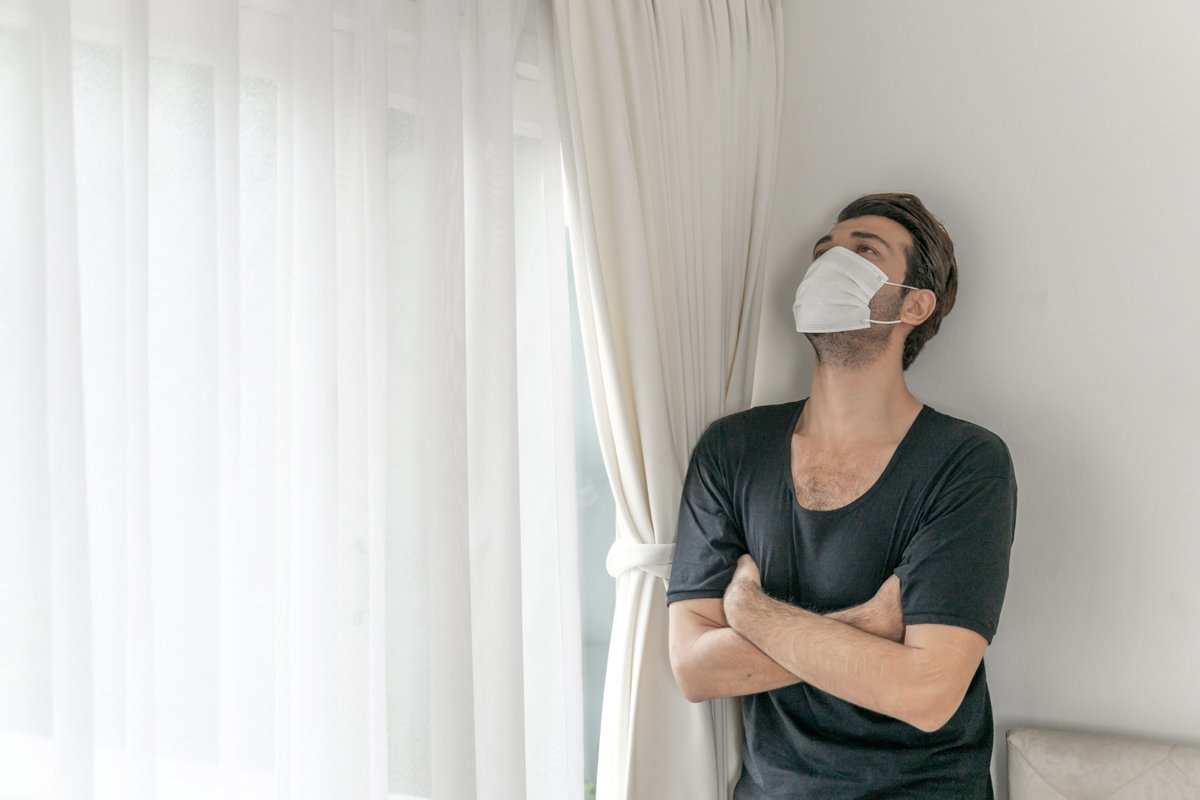
Poor Ventilation is a silent threat because its symptoms often comes out as a “disguise”, often appearing as a simple fatigue or you might be having a dull afternoon headache. When your surroundings atmosphere cannot breathe properly, the pollutants tends to accumulate to levels that systematically degrade your physical and mental wellbeing without you ever realising the source. Below are the ways how the air affects your overall wellbeing:
Brain Fog:- You cannot smell carbon dioxide, neither see nor touch it. However, your brain can feel it. High concentrations of CO2 impairs your cognitive function, specifically your ability to make complex decisions and focus on tasks. Those sudden sleep disturbances at odd hours of night, is often just a sign from your nervous system that your brain is struggling to survive in a low oxygen atmosphere.
Humidity: It is the most common factor behind the growth of mold growth and is one of the most dangerous phenomena that results in poor ventilation. It releases microscopic spores that you inhale throughout the night. By the time you see a black spot on the corner of a ceiling, it can simply mean that the air quality might have been compromised for many days, especially months, which has triggered the unexplained allergies and asthma attacks to your immune system.
3. The Persistence Of Particulate Matter: The microscopic particles accumulated from dust, outdoor pollution, etc. become trapped in stagnant indoor air, and that results in a concentrated “haze” which is invisible to the naked eye. These particles enter your heart via your lungs, and by chance, if you find yourself staying in a house that does not breathe, or you suddenly find yourself struggling with breathing issues, then most probably it is because of the poor ventilation.
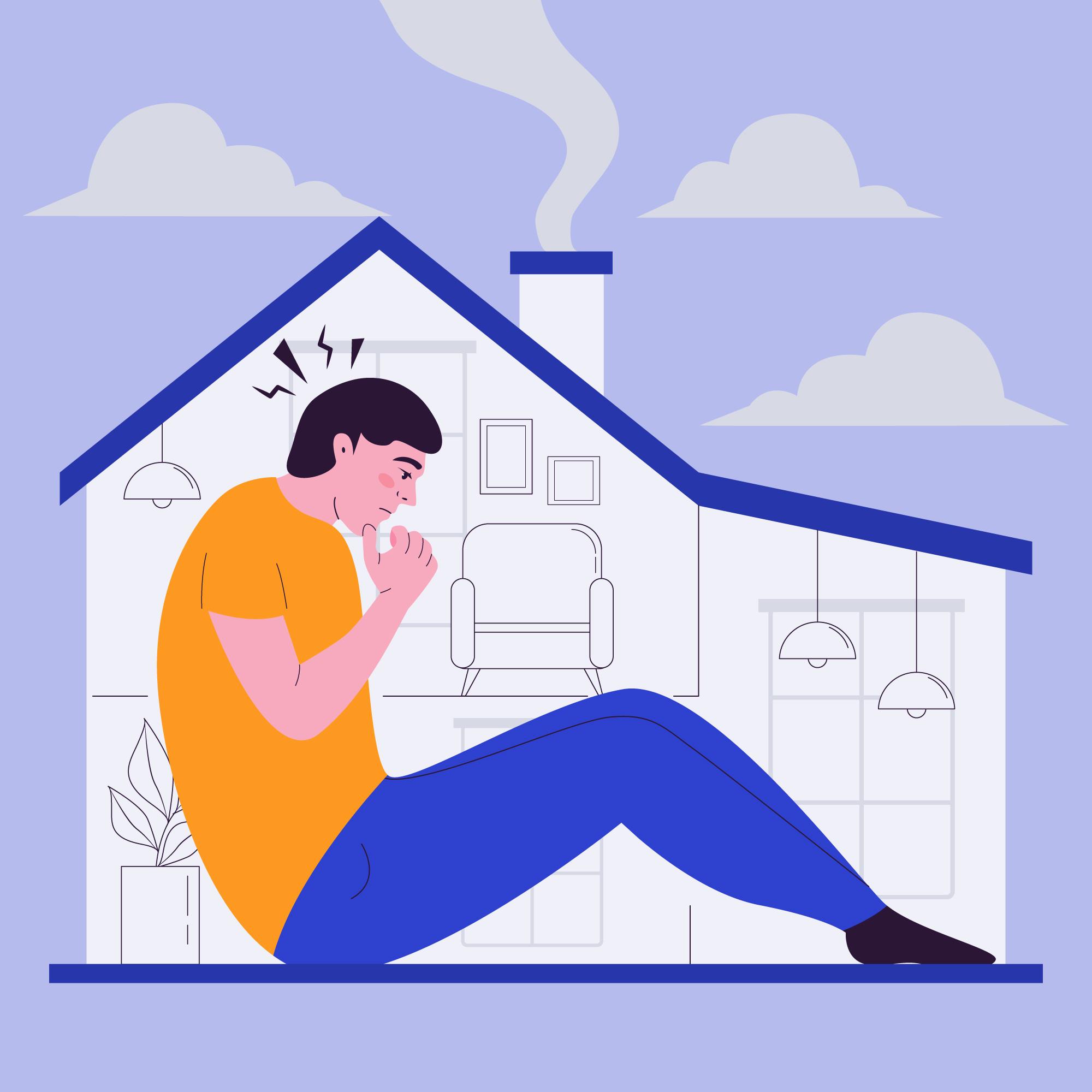
Disrupted Sleep Architecture: In a house that has poor ventilation facilities, the people staying there cannot get adequate sleep they require. The lack of fresh air leads to “ fragmented sleep”, in this way you end up waking from your sleep fully exhausted even after having 8 hours of sleep.
Skin And Eye Irritation: Trapped pollutants can lead to chronic dryness, itchy eyes, or unexpected skin breakouts that does not respond to topic treatments. Without the exposure to a fresh Breeze to clear out these irritants, your body remains in a constant state of minor surface inflammation.
Simple Steps To Exhale Your Home:
The 15 Minutes Cross Breeze: Open windows at opposite ends of the house for 15 minutes twice a day to create a cross breeze.
Usage Of Exhaust fans: Everytime you take a shower in the bathroom or cooking in the kitchen, switch on the exhaust fans of those places, and leave them running for 10 minutes
Monitoring Filters: If you are using central air system, make sure to ensure that your HEPA filters are changed every three months on a regular basis.
Final Thoughts:
We are biological creatures that evolved in the open air. Our modern "tight buildings" are an excellent example for energy efficiency, but they are found to be terrible and harmful for human beings. You don't have to stay in a drafty tent to be healthy, but you do need to treat air as a vital nutrient. By giving a priority to ventilation, you are not just getting rid of “old air”, you are actively lowering down your stress, help clear your mind and protect your long term respiratory health. Stop inhaling unhealthy air and allow your house and yourself to breathe healthy and fresh air!