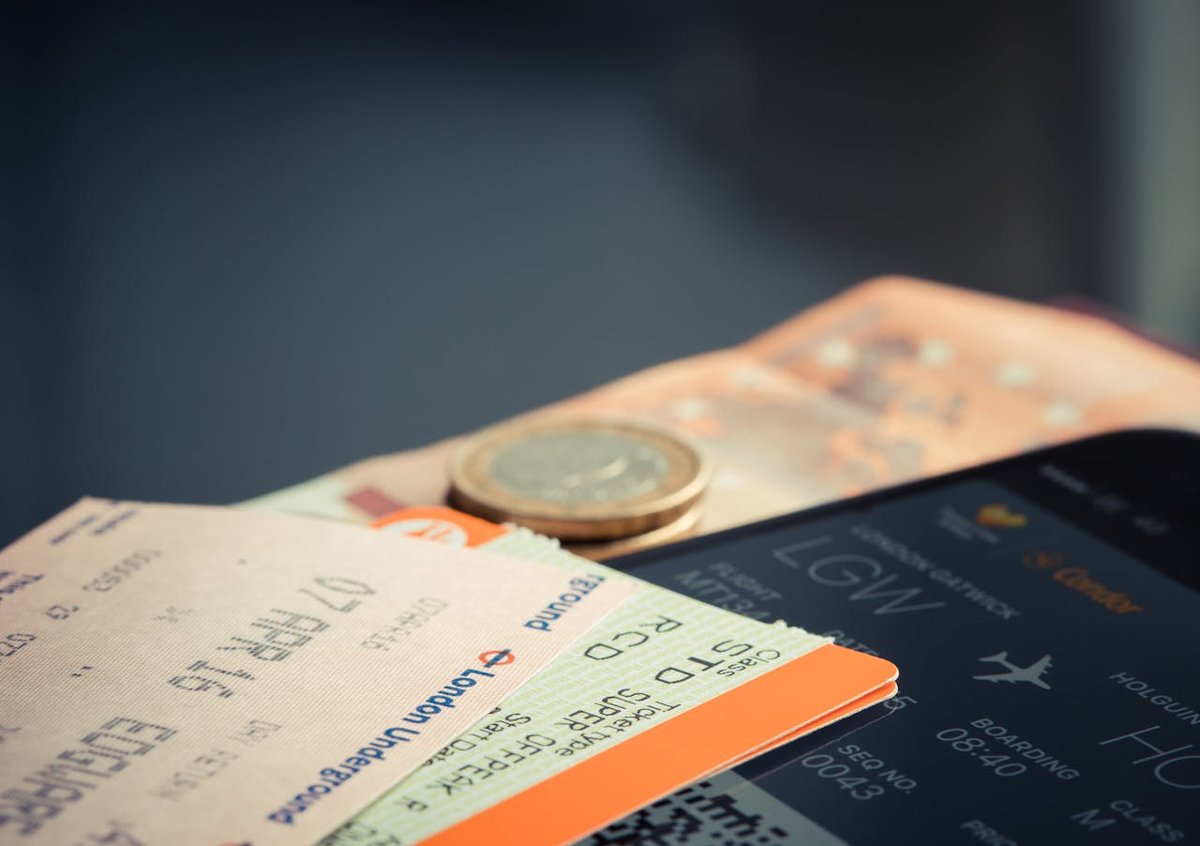
We stay in the era of hyper dynamic pricing systems, where advanced technologies such as AI, determines and adjusts the fares based on various factors such as fuel costs, competitor moves and your browsing habits. Today, the price you see on your screen while booking an air ticket is based on these factors!
Sky High Fare Differences: Why Airfares Shift?
The “Yield Management” Engine : Once a plane takes off, the seat which once valued so much money, costs nothing. To prevent this loss, AI “Yield Management” systems constantly profile travellers. The prices are shifted in real time to charge “Leisure” travellers less for booking early, while it charges a bit high for “Business” travellers due to booking late, which ensures the highest possible revenue for every flight.
The “Demand Spike” Tracker : It is the airlines method that they track “Aggregate Demand” rather than just individual cookies. If they see that hundreds of travellers have searched for travelling to the same destination, the fare algorithm immediately places a surge. It isn't necessarily tracking you, but it is of course tracking the crowd you are part of.
Fuel And Currency Variables: It is true to say that prices often fluctuate due to global economics. Fuel price rise forces the algorithms to adjust the airfares immediately the moment oil prices spikes in order to protect the profit margins.
Competition Of “Price Match” Bots : Airlines use scraping bits to monitor their rivals every second, if they find out that their competitor has reduced their airfares, your airline’s fare is also going to adjust to that same level to stay competitive.
Digital Tactics : Certain phrases such as “Only 2 seats left!” are deliberate psychological triggers. Reading these phrases can trick your logic and trigger you to make an emotional purchase. Buying this ticket ensures you that you lock in fare before realizing that you might be paying a premium.
How To Make Smart Booking?
If you are booking for a domestic flight, you can keep your seats reserved in that particular airline 1-3 months before. However while booking for an international flight, look 2-8 months ahead to avoid the “surge charges” that incurs in your airfare.
You can even take help of apps such as Google flights or Skyscanner, etc. to track the airfares over time. These apps use bits which help you to stay alert about the airfare fluctuations.

Special days such as “Tuesday” or “Wednesday” makes it really hard for the airlines to fill the seat, this makes the algorithms less likely to trigger price hikes.
While travelling in a group, always search for one person first. If you search fare for the entire group, the system often defaults it to the highest individual bucket price.
In a Nutshell:
The airfare that you see while booking the flight is not what the flight seat actually costs, it is the algorithm that determines the fare. In this digital age, if you see your airline's fare is risking extremely high, don't panic! Just take a deep breath, calm yourself, wait for a couple of hours and try once again. Remember that in the world of airfares: “Change is the only constant.”