For decades, the “state of the art” pantry was defined in terms of exotic spices, usage of high end oils, and expensive vinegars. However, as culinary enthusiasts and professional chefs dive a bit deeper into the science behind using different flavors, the focus has transitioned from what we buy from the market to how we transform it. The two powerhouses of fermentation: “Koji” and “Tepache” originated from different cultures, Japan and Mexico.
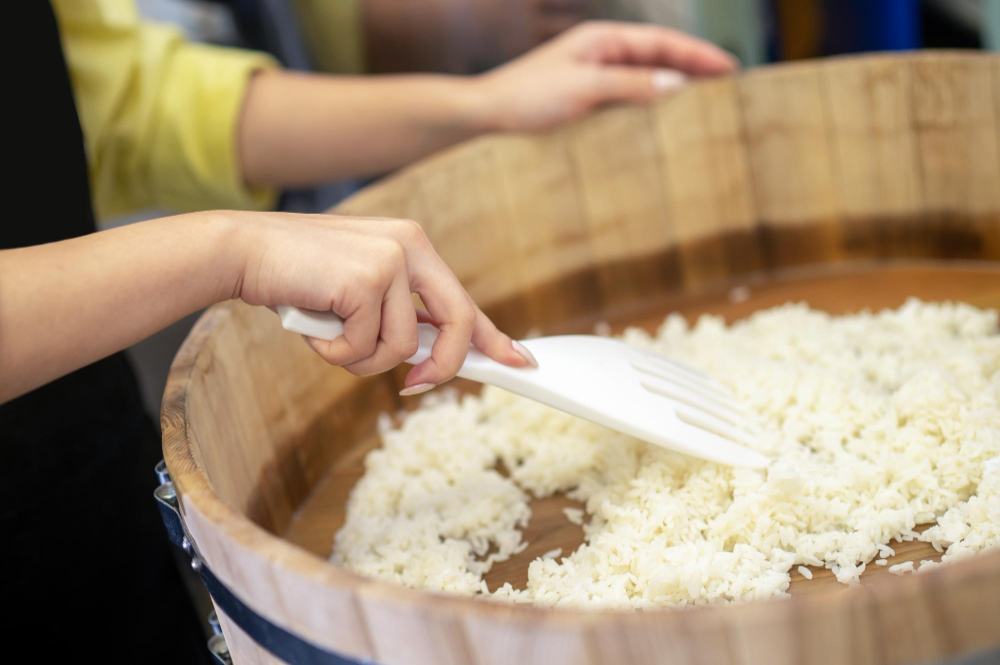
Koji: known as the “master of umami” and it is a noble mold that has been the backbone of Japanese cuisine for millennia. It is used in the making of Japanese soy sauce, miso and sake. In the professional pantry world, Koji is more a “biological tool” and less than an ingredient. When Koji is grown as rice or barley, it releases a potent cocktail of enzymes,“Proteases” and “Amylases.” These enzymes do processes that allow a cook to “pre digest” ingredients. One such prime example is “Shio Koji,” a simple slurry of salt, water and koji rice, which when used as a marinade,actively breaks down the muscle fibers and results in a texture that mimics dry aging in a fraction of time.
Tepache: It is known as a “sustainable powerhouse,” handling the brightness of the flavors used in making food. This traditional Mexican fermented beverage is usually made from the rinds and cores of pineapples, sweetened with “piloncillo,” an unrefined cane sugar, seasoned with cinnamon and cloves. It earned its spot in the “new pantry” for three main reasons:
Zero Waste Utility: This ingredient mainly turns organic “waste” into a high value product. Professional chefs usually use the pineapple flesh for preparing desserts, while the rinds create the ferment.
Probiotic Complexity: It also offers a natural carbonation that pairs nicely with foods which are spicy.
Culinary Versatility: It also serves as a sophisticated source of acid. For example, you can use it as a syrup for making cocktails or you can even use it as a base for a vinaigrette that will offer you more taste as compared to a standard apple cider vinegar.

Why Are These Two Becoming The New Standard?
A standard pantry offers you foods containing salt, fat and acid, while a modern pantry offers you enzymatic salt (Koji) and fermented acid (Tepache). It is true that a Koji cured beet has more richness than that of a boiled beet; a Tepache glazed chicken will leave a floral and fermented tang that sugar and vinegar cannot mimic.
In A Nutshell:
The “new state of the pantry” is no longer concerned about having a hundred different spice jars in your kitchen. It is concerned about a few living cultures which can transform ordinary ingredients into something unique. Using Koji and Tepache, you are not just following the current trend; you are in fact adopting a thousand year old wisdom that prioritizes your health as well as sustainability.