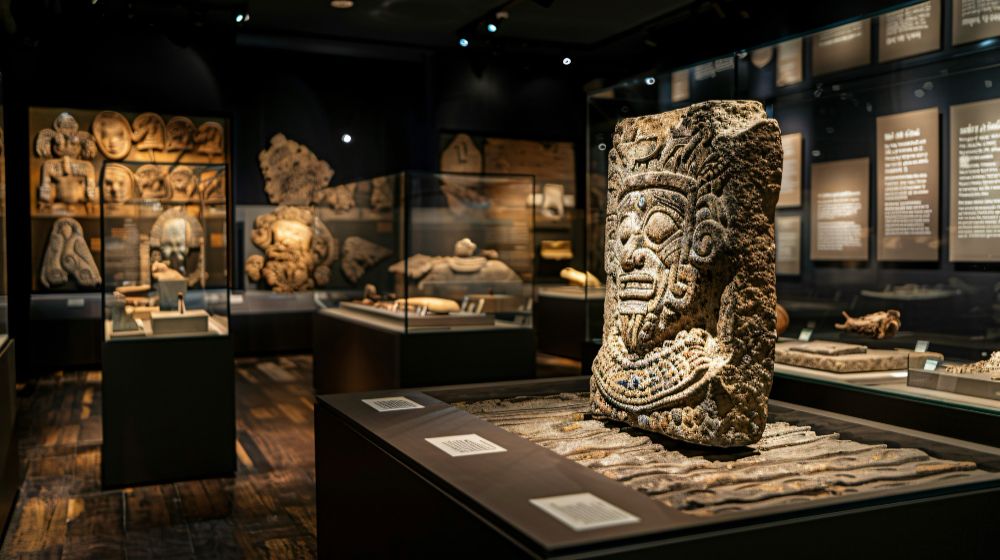
Beauty is NOT in the eye of the beholder. If beauty were purely subjective, we wouldn’t have come this far. We wouldn’t have defined beauty standards, nor would professions like filmmaking, architecture, or design exist as we know them. There are both excellent and terrible designs, as well as sound and awful art. Beauty has an underlying objectivity, which is the reason standards are in place. In particular, architecture is a stunning kind of storytelling rather than just a combination of physics and design principles. Buildings show how societies change by capturing time, culture, and human intent. At its core, architecture is about leaving a legacy; one that allows its creators to outlive themselves, sometimes for hundreds of centuries.
From Neolithic cultures & first urban civilizations to modern architectural masterpieces, there's a whole world of beautiful structures to explore. Though history might have been written in blood, the exchange of language and culture can be seen via these buildings. Some cities use globally recognized icons to announce their architectural significance loudly. Others use lived-in spaces, repetition, and restraint to whisper their lessons. When taken as a whole, these locations show how architecture functions at both human and monumental scales. To understand design, context, and spatial intelligence, here are the 10 best cities every architect must visit.
Barcelona, Spain
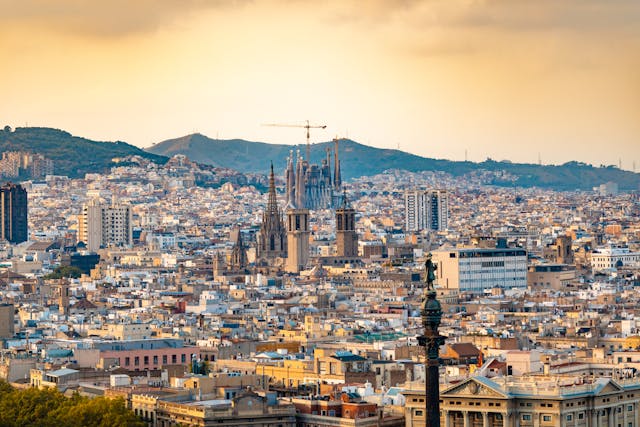
Being a Barca fan, I can be slightly biased, but Barcelona feels less like a city and more like an artist's dream. The city's identity is Antoni Gaudí's work. This Spanish city is not only known for its landmarks, but for spacious sidewalks, integrated public spaces, and a beautiful relationship between street life and architecture. It shows how you can be civic, emotional, deeply human, without compromising functionality.
Rome, Italy
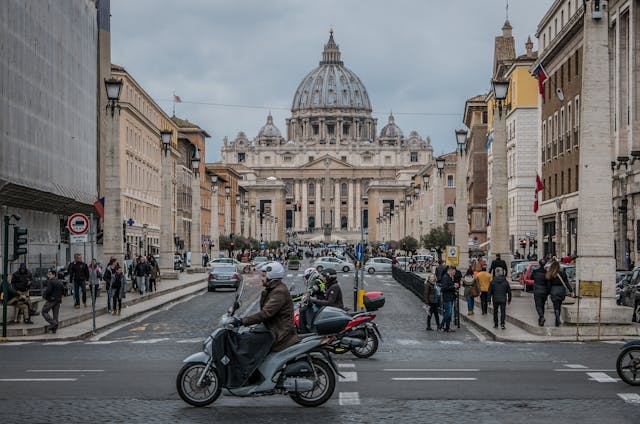
When they say "Rome wasn't built in a day", they weren't lying. Roman architecture is inseparable from time. Those buildings are not motionless pieces of art, but layered, reused, and inhabited for over 2700 years. It means that ancient Roman walls often sit right next to designs from hundreds of years later. Since people still live and work in these spaces, Rome feels like a living history book to walk through. It's not all about the strength of the stones used for buildings, but their durability for hundreds of centuries.
Paris, France
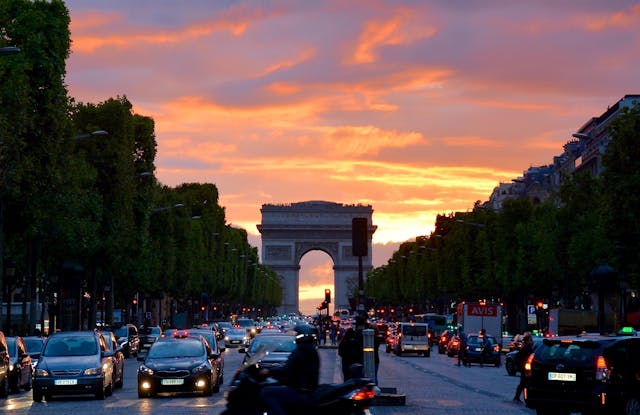
The city of love & lights, Paris, is indeed the epitome of architectural consistency. The beauty of this city comes from proportionality, consistency, and alignment. Every monument, including the Arc de Triumphe, Notre Dame Cathedral, and art museums, has a backstory. Baron Haussmann, a Bonapartian official, oversaw this drastic renovation in the 19th century, ensuring that the city would retain its character and history. It's a lesson for architects to learn how design and architecture are not about individual ego but co-existence.
Chicago, United States
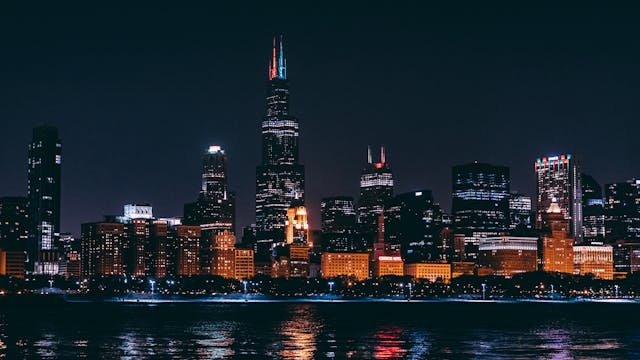
Chicago, the mecca of architecture, is a must-visit for every art enthusiast, not only architects. With styles ranging from historic skyscrapers to innovative Prairie School designs, Chicago has everything to offer. The Art Institute, the Museum of Contemporary Art, and vibrant street art iconic collections provide an endless creative fuel. The unique urban landscape, lively cultural scene, and a dynamic mix of art and design make Chicago worthy of its title. I guess that's why Ted Mosby wanted to move there.
Tokyo, Japan

Deep-rooted traditions and anime culture are not the only things that make Tokyo Special. The city has a special place in the hearts of engineers and architects. It is constantly reimagined and rebuilt, and shows what architectural longevity means. They have incorporated their classic ideas of experimentation, minimalism, and adaptability—all of which flourish in densely populated areas. Tokyo encourages architects to create sophisticated, adaptable, and compassionate designs for both contemporary residential projects and traditional temples.
Chandigarh, India
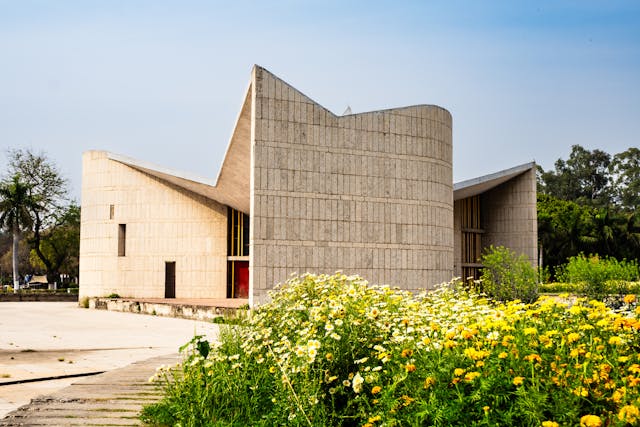
Inspired by human anatomy, Chandigarh is always considered the most famous example of India's modern urban planning. The city has a head (Administrative sector), a heart (Downtown), lungs(Green spaces), a circulatory system (well-connected roads), and limbs (Industrial areas & Residential sectors). It was designed by Swiss-French Architect Le Corbusier in 1950 to signify a fresh start after Independence. Unlike older cities with narrow streets, Chandigarh follows a grid system. Divided into sectors that act like a small village, this city uses a lot of raw concrete, making buildings look sturdy and beautiful against the green landscape.
Isfahan, Iran
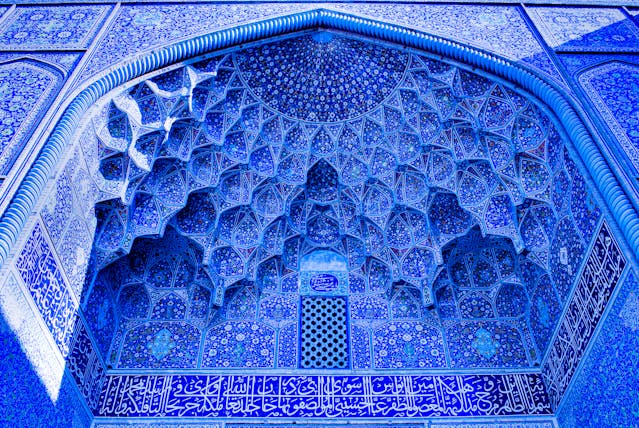
Isfahan, the Persian city also called "Nesf-e-Jahan", which means "Half the World" because of its mesmerizing beauty. The Iranian city is renowned for its Islamic architecture, where you see brilliant blue-tiled domes and grand arches that have stood for centuries. Compared to the Iranian capital, the city is more traditional and conservative. However, the city's design shows a deep respect for balance and gardens. Even presently, the markets and ancient bridges are busy with people, showing how traditional Persian style is still alive in the modern world.
Skopje, North Macedonia
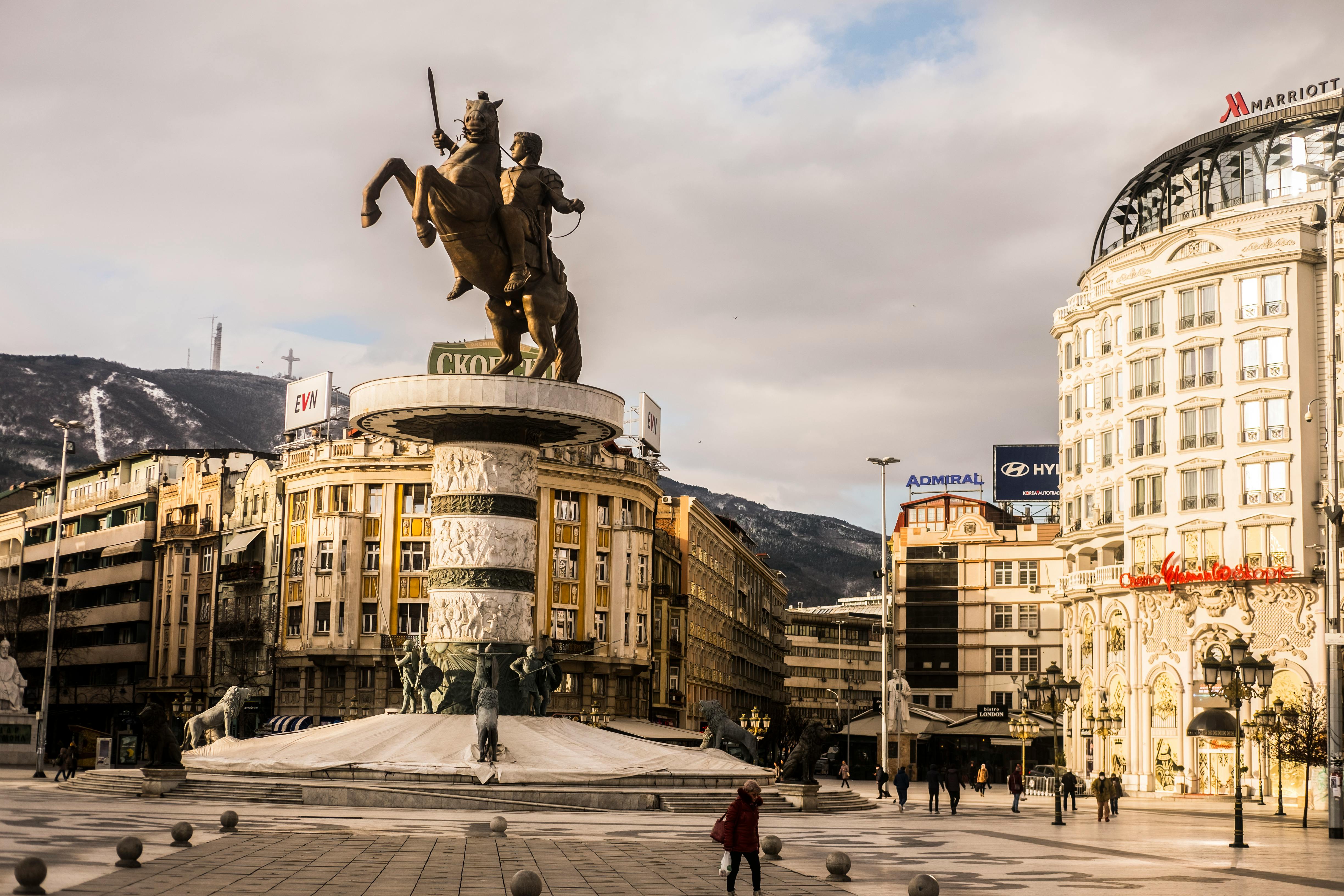
The unexplored city of Skopje has multiple layers of surprises. If you love Brutalist architecture, Skopje is the place to be. After a 6.1 Richter scale earthquake in 1963, Skopje rebuilt itself. The massive concrete structures of the city resemble space-age fortresses. Recently, they added hundreds of statues and Neoclassical designs to the city centre. It's a fantastic mix of Ottoman history, socialism, and modern architecture, making it a bewitching place that tells how a city re-evolves itself with time.
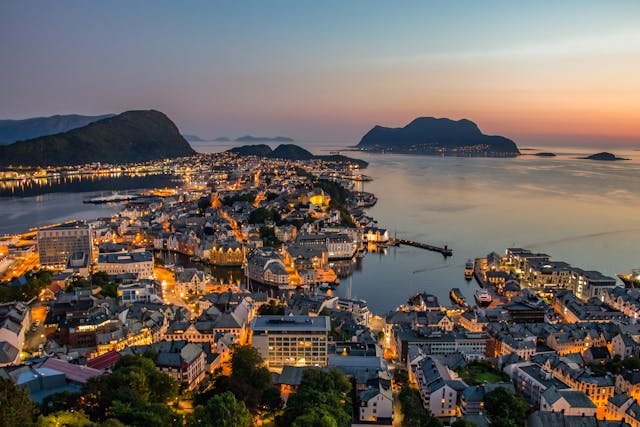
Ålesund, Norway
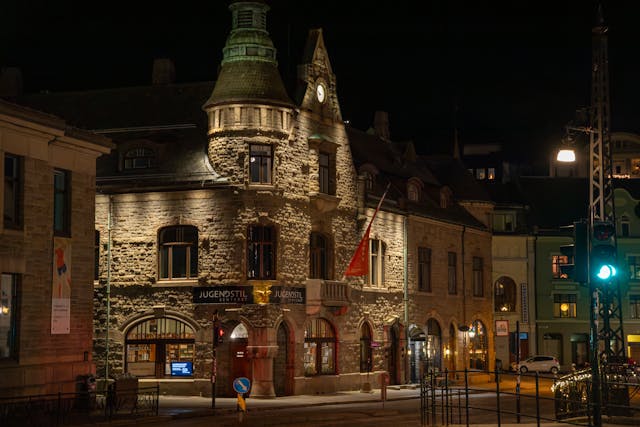
Vikings' heritage is not the only aspect Norway is famous for. It's a country with some of the most amazing natural and man-made designs. While most Norwegian towns are renowned for wooden houses, Ålesund is unique. In 1904, the city was burned down in a devastating fire, leading to homelessness in the city. Later, it was rebuilt in a pretty style called Art Nouveau. The colorful towers, floral designs, and stone faces make it irresistible to admire. Based on the small islands, right next to the Atlantic Ocean and the Sunmore Alps, Ålesund feels like a beautiful dream. The story of Ålesund tells how adaptability creates magic when it's least expected.
Djenné, Mali
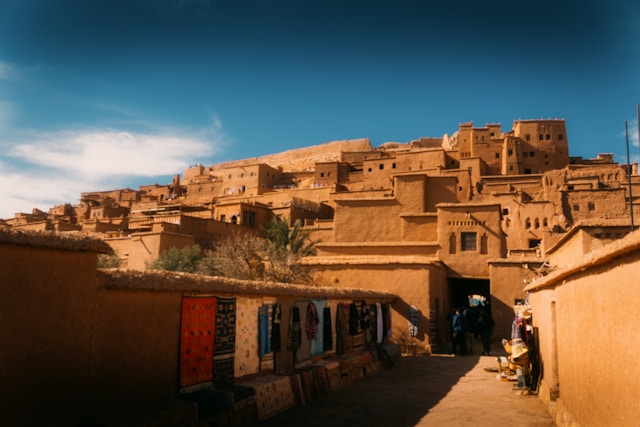
Though there are numerous masterworks in Africa, Djenne offers some of the most fascinating and unique architecture. Home to the world-famous Great Mosque of Djenne, every house is designed using sun-dried mud bricks and coated in smooth clay. They are famous for their tall, grand entrances and vertical pillars, making them practical designs for the hot African weather. The thick mud walls keep the houses cool during the day and warm at night. Every year, the entire community applies fresh layers of mud to protect monuments from the rain. It implies that architecture is a community endeavor rather than merely a finished product.
Why visit these cities?
Architecture is not only about monuments and historical buildings, but it is also about visual storytelling. Every city has a unique story to tell. It tells how cities function, breathe, and endure for centuries. The purpose of this blog is not just to appreciate good art and architecture, but to enable humans to reshape their experience across cultures. Traveling is not escapism for architects; it is a return to observation. More often, the most influential lessons are not found in landmarks, but in random streets and quiet spaces.